Australian Parrots Hub: Your Complete Guide to Backyard Parrots
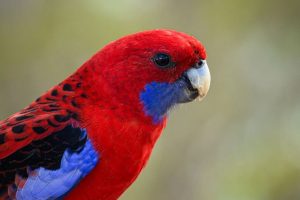 Welcome to your essential guide to Australia’s most charismatic backyard parrots. If you’ve wondered why rainbow lorikeets dominate your feeder, sulphur-crested cockatoos peel your deck, shy rosellas visit at dusk, or king parrots wait patiently for seeds – you’re in the right place.
Australia hosts over 50 parrot species, but four dominate our backyards: the hyper-social Rainbow Lorikeet, the intelligent Sulphur-Crested Cockatoo, the gentle King Parrot, and the colourful Rosella. Despite their differences, they share common traits: intelligence, complex social lives, and remarkable adaptation to both wild forests and suburban gardens.
This hub centralises everything you need to understand, identify, and ethically interact with these iconic birds. Whether you’re dealing with cockatoo destruction, lorikeet aggression, or simply want to attract more parrots safely, this is your starting point for all things Australian backyard parrots.
Parrot Society of Australia
https://www.australiaswonderfulbirds.com.au/parrots
📊 Quick Comparison: Australia’s 4 Main Backyard Parrots
| Feature | Rainbow Lorikeet 🟢 | Sulphur-Crested Cockatoo ⚪ | King Parrot 🔴 | Rosella 🔵 |
|---|---|---|---|---|
| Size | 25–30 cm | 30–60 cm | 43–50 cm | 30–38 cm |
| Primary Diet | Nectar, pollen, soft fruits | Seeds, nuts, insects, roots | Seeds, fruits, berries | Seeds, fruits, flowers |
| Special Adaptation | Brush-tipped tongue | Powerful curved beak | Strong seed-cracking beak | Strong, precise beak |
| Vocalisation | High-pitched screeches | Loud whistles & mimics | Soft, melodic whistles | Melodic chirps & trills |
| Social Behaviour | Large, noisy flocks | Pairs/small to large flocks | Pairs/small family groups | Small flocks/family groups |
| Backyard Temperament | Bold, aggressive at feeders | Intelligent, destructive | Gentle, patient, shy | Curious but cautious |
| Distinctive Colouration | Rainbow (blue, green, orange) | White with yellow crest | Male: red/green; Female: green/red | Red, blue, yellow patterns |
| Crest | No crest | Large movable yellow crest | No crest | No crest |
| Flight Style | Fast, acrobatic, zig-zag | Strong, deliberate gliding | Smooth, direct glide | Agile, rapid flapping |
| Human Interaction | Will hand-feed, can bite | Forms bonds, chews property | Shy but can become trusting | Visits gardens, rarely hand-feeds |
| Breeding Season | Varies by region | Spring-Summer | Spring | Spring-Summer |
| Conservation Status | Least Concern | Least Concern | Least Concern | Least Concern |
Key Insight: While all four are parrots (family Psittaculidae), their adaptations create different backyard dynamics. Lorikeets want nectar, cockatoos seek wood to chew, king parrots prefer seeds, and rosellas forage quietly at ground level.
🦜 Species Hub Links: Dive Deeper into Each Parrot
🌈 Rainbow Lorikeet: The Backyard Energizer
Australia’s most colourful and socially dominant backyard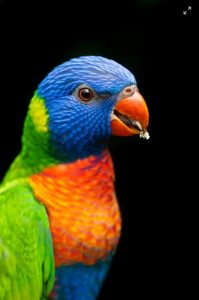 parrot. Rainbow lorikeets live in large, noisy flocks that can dominate feeders and flowering trees.
What makes them unique:
-
Specialised tongue: Brush-tipped for nectar feeding
-
Social structure: Complex flock hierarchies
-
Feeder behaviour: Often aggressive towards other birds
-
Urban adaptation: Thrives in cities with flowering trees
Common backyard experiences:
-
Multiple lorikeets swarming nectar feeders
-
Loud dawn and dusk choruses
-
Occasional aggression towards smaller birds
-
Willingness to hand-feed (and occasional biting!)
Explore our complete Rainbow Lorikeet Guide for detailed behaviour, diet, and management strategies.
⚪ Sulphur-Crested Cockatoo: The Intelligent Destroyer
 Australia’s largest common backyard parrot and arguably the most intelligent. Sulphur-crested cockatoos combine remarkable problem-solving skills with destructive chewing habits.
What makes them unique:
-
Intelligence: Tool use, puzzle solving, social learning
-
Destructive behaviour: Chews wood for beak maintenance
-
Longevity: Can live 40-70+ years
-
Social complexity: Learns from flock members
Common backyard challenges:
-
Deck and window frame destruction
-
Ear-piercing dawn screaming
-
Intelligent bin-raiding behaviour
-
Forming strong bonds with humans
Understand these complex birds in our Sulphur-Crested Cockatoo Guide covering behaviour, intelligence, and humane management.
🔴 King Parrot: The Gentle Giant
The polite, patient parrot of Australian backyards. King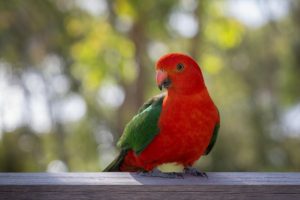 parrots offer a calmer alternative to noisy lorikeets and destructive cockatoos, with striking sexual dimorphism (males red, females green).
What makes them unique:
-
Temperament: Gentlest of large backyard parrots
-
Colour difference: Dramatic male vs female appearance
-
Feeding style: Patient, less aggressive at feeders
-
Seasonal movement: Altitudinal migration in some regions
Common backyard experiences:
-
Males and females visiting together
-
Quiet, patient feeder behaviour
-
Potential for gradual trust building
-
Less destructive than cockatoos
Discover more in our comprehensive King Parrot Guide covering identification, behaviour, and attraction tips.
🔵 Rosella: The Quiet Forager
Australia’s beautifully patterned ground-feeding parrot.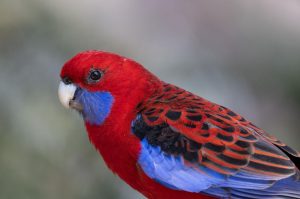 Rosellas (particularly Crimson and Eastern species) offer colourful but shy backyard visits, often foraging quietly at ground level.
What makes them unique:
-
Ground feeding: Prefers foraging on lawns
-
Colour patterns: Distinctive red, blue, yellow markings
-
Shy temperament: More cautious than other parrots
-
Species variety: Multiple similar-looking species
Common backyard experiences:
-
Quiet ground feeding on lawns
-
Quick retreats when approached
-
Attraction to fallen seeds
-
Less feeder competition with larger parrots
Learn identification and care in our Rosella Guide covering all Australian rosella species.
⚠️ Common Parrot Problems & Solutions
While delightful, Australian parrots can present challenges. Each species has unique behaviours that sometimes conflict with human habitats.
Top 4 Parrot Problems:
-
Property Destruction (Mainly Cockatoos)
-
Chewing wooden decks, window frames
-
Digging up lawns for roots (Corellas)
-
Stripping tree bark
-
Solution: Physical barriers, alternative chewing materials
-
-
Feeder Aggression (Mainly Lorikeets)
-
Dominating feeders, excluding other birds
-
Aggressive territorial behaviour
-
Food wastage and mess
-
Solution: Multiple feeder stations, species-specific feeders
-
-
Excessive Noise
-
Dawn and dusk screaming (all species, especially cockatoos)
-
Flock communication calls
-
Solution: Understanding natural behaviour, strategic planting
-
-
Human-Wildlife Conflict
-
Over-dependence on feeding
-
Property damage costs
-
Neighbour complaints
-
Solution: Ethical feeding guidelines, community education
-
For detailed solutions, visit our Bird Problems Hub with species-specific advice.
🏡 Backyard Feeding & Attraction: Do It Right
Ethical Feeding Guidelines:
DO:
-
Offer species-appropriate foods
-
Use multiple feeding stations
-
Maintain feeder cleanliness
-
Plant native food trees
DON’T:
-
Create dependency (feed irregularly)
-
Offer inappropriate foods (bread, etc.)
-
Feed in ways that increase aggression
-
Neglect feeder hygiene
Species-Specific Feeding Tips:
Rainbow Lorikeets:
-
Commercial nectar mixes (not honey-based)
-
Fresh fruit pieces
-
Avoid: Seed mixes (not nutritionally suitable)
Sulphur-Crested Cockatoos:
-
Native nuts in shell
-
Fresh corn cobs
-
Provide: Chewing blocks for beak maintenance
King Parrots:
-
Sunflower seeds
-
Commercial large parrot mixes
-
Fresh fruit pieces
Rosellas:
-
Small seeds (millet, canary seed)
-
Fallen seeds on lawns
-
Native grass seeds
Complete feeding guidelines in our Backyard Bird Care Hub including toxic food warnings.
🎯 Why This Parrots Hub is Unique
What Sets This Guide Apart:
-
Australian-Focused: Based on actual backyard interactions, not zoo or pet perspectives
-
Behaviour-Based: Explains WHY parrots do what they do, not just what they do
-
Practical Solutions: Realistic management strategies for common problems
-
Ethical Foundation: Promotes responsible wildlife interaction
-
Experience-Based: Written from years of Australian backyard observation
The Personal Touch:
“I’ve been bitten by lorikeets (quick, sharp nips) and cockatoos (powerful, crushing bites), but never by king parrots – even while hand-feeding them. This hands-on experience shapes our practical advice about what to expect from each species in real backyard situations.”
Bridging Knowledge Gaps:
Many Australians don’t realise that:
-
Lorikeets, cockatoos, king parrots, and rosellas are ALL parrots
-
Each has completely different dietary needs
-
“One-size-fits-all” feeding often causes problems
-
Understanding their natural behaviour reduces conflicts
🔍 Identification Tips: Quick Field Guide
When You See a Parrot in Your Garden:
-
Check the size:
-
Very large with crest → Cockatoo
-
Large, red/green → King Parrot
-
Medium, rainbow colours → Lorikeet
-
Medium, red/blue patterns → Rosella
-
-
Listen to the calls:
-
Piercing screeches → Lorikeet
-
Loud whistles/screams → Cockatoo
-
Soft whistles → King Parrot
-
Melodic chirps → Rosella
-
-
Observe feeding behaviour:
-
At nectar feeders → Lorikeet
-
Chewing wood → Cockatoo
-
On platform feeders → King Parrot
-
On ground → Rosella
-
Common Confusions:
-
King Parrot vs. Crimson Rosella: King parrots are larger, less blue
-
Rainbow Lorikeet vs. Scaly-breasted Lorikeet: Check breast pattern
-
Sulphur-Crested vs. Long-billed Corella: Check beak and eye ring
🌿 Creating a Parrot-Friendly Garden
The Ideal Backyard for All Four Species:
-
Layered planting:
-
Tall trees (nesting for cockatoos, king parrots)
-
Flowering shrubs (nectar for lorikeets)
-
Native grasses (seeds for rosellas)
-
-
Water sources:
-
Multiple bird baths at different heights
-
Regular cleaning to prevent disease
-
Shallow edges for easy access
-
-
Safe spaces:
-
Dense shrubs for escape cover
-
Predator-proof nesting boxes
-
Cat-free zones during breeding season
-
Seasonal Considerations:
-
Spring: More aggressive behaviour (breeding season)
-
Summer: Increased water needs, heat stress management
-
Autumn: Seed feeding increases, migratory movements
-
Winter: More feeder dependence, king parrots descend from mountains
📚 Continuing Your Parrot Education
Recommended Next Steps:
-
Visit our individual species hubs for detailed information
-
Check our problems section for specific issue solutions
-
Explore our backyard bird care guides for ethical practices
-
Join Australian bird watching groups for community knowledge
Citizen Science Opportunities:
-
BirdLife Australia: Annual backyard bird count
-
eBird Australia: Record your sightings
-
Local wildlife groups: Volunteer for conservation projects
When to Seek Expert Help:
-
Injured or orphaned parrots → Contact WIRES or local wildlife carer
-
Severe property damage → Consult wildlife-friendly pest controllers
-
Large-scale feeding issues → Local council wildlife officers
✅ Your Complete Australian Parrot Resource
This hub serves as your central reference point for understanding, identifying, and ethically interacting with Australia’s four main backyard parrots. Each species offers unique rewards and challenges, but with knowledge comes the ability to co-exist successfully.
Remember: These parrots aren’t just visitors – they’re intelligent, complex wild animals with their own social structures, communication systems, and survival strategies. By understanding their natural behaviours, we can appreciate their presence while managing the occasional challenges they present.
Ready to dive deeper? Explore our individual species guides for comprehensive information on each parrot’s unique world. Whether you’re dealing with cockatoo destruction, lorikeet dominance, or simply want to attract more king parrots, you’ll find practical, experience-based advice throughout australianbirdguide.com/.
Return to our Homepage for more guides on Australia’s incredible wild birds.