“My Bird Doesn’t Like My Spouse!” Understanding Avian Jealousy & Fear
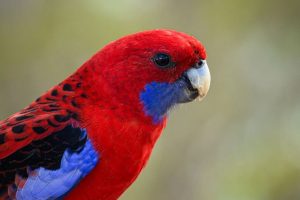
If your once-friendly bird now hisses, bites, or flies away whenever your partner enters the room, you’re not alone. This “feathered rivalry” is one of the most common—and frustrating—problems in multi-person households with parrots like cockatoos, lorikeets, or even bonded budgies.
It’s rarely personal. Birds are creatures of instinct, routine, and powerful social bonds. This behaviour usually stems from one of two core emotions: fear or jealousy. This guide will help you diagnose the cause and implement a calm, step-by-step plan to build peace in your flock (human and avian).
🧠 Why Your Bird “Dislikes” Your Spouse: The Two Main Reasons
1. Fear or Mistrust (Most Common with New Partners or Shy Birds)
-
The Cause: Your spouse is unfamiliar. They may move differently, sound different, wear different clothes, or have accidentally startled the bird in the past. The bird sees them as a potential threat.
-
The Signs: The bird flinches, retreats to the back of the cage, emits fear screeches, or attempts to bite defensively when your spouse approaches.
2. Jealousy or Over-Attachment (Common with Hand-Raised or Single Birds)
-
The Cause: The bird is deeply bonded with you as its primary flock member. It views your spouse as a direct competitor for your attention, resources, and affection.
-
The Signs: The bird becomes aggressive only when your spouse is near you. It may try to get between you, bite your spouse, or display mating behaviours towards you (regurgitating, wing fluttering) in their presence.
Expert Insight: This jealousy is especially strong in species known for pair-bonding, like cockatoos and many parrots. Read more in our Cockatoo Behaviour Guide.
✅ The Step-by-Step Peace Treaty: How to Help Them Bond
Rule #1: Never force interaction. This will confirm the bird’s fear or dislike. The goal is to make your spouse a predictable source of wonderful things.
Phase 1: Become a Non-Threatening Presence (1-2 Weeks)
Your spouse should ignore the bird completely while doing calm, positive activities.
-
Sit quietly in the same room, reading or using a phone.
-
Speak softly to you, but not directly to the bird.
-
Avoid direct eye contact, which can be perceived as a threat.
-
Let the bird observe and learn that this new person is boring and safe.
Phase 2: Associate with High-Value Rewards (1+ Weeks)
Your spouse becomes the exclusive bearer of the bird’s absolute favourite treats.
-
Your spouse should offer the treat (e.g., a piece of walnut, a millet spray) by gently placing it in the food dish without making eye contact or speaking.
-
You must not give this treat anymore. The bird must learn: “That person = amazing food.”
-
Repeat this daily until the bird eagerly anticipates your spouse’s treat-dropping visits.
Phase 3: Build Positive Interaction (The Long Game)
Once the bird is comfortable taking treats from the dish:
-
Your spouse can try offering a treat through the cage bars.
-
Eventually, they can offer a treat from an open hand if the bird is confident.
-
Your spouse can start performing the fun parts of care, like refreshing a favourite toy or filling the bath.
Critical Tip: During this entire process, you must slightly reduce the amount of direct one-on-one attention you give the bird. This gently encourages social flexibility.
🚫 What NOT to Do
-
Don’t let your spouse punish or yell at the bird. This will cement the negative association.
-
Don’t force your spouse to handle the bird before it’s ready.
-
Avoid dramatic reconciliations. If a bite happens, your spouse should react calmly and quietly withdraw—no loud “OUCH!” or drama.
-
Don’t give up. Building trust with a fearful or jealous bird can take months. Consistency is everything.
🆚 Is It Fear or Jealousy? A Quick Diagnostic Table
| Behaviour | Points to FEAR | Points to JEALOUSY |
|---|---|---|
| When It Happens | Whenever spouse is near, regardless of your location. | Primarily when you and spouse are interacting or close together. |
| Bird’s Body Language | Crouched, feathers slicked, trying to appear small. | Puffed up, leaning forward, lunging, directed aggression. |
| Best First Step | Spouse becomes a calm, ignoring presence. | Spouse becomes the sole provider of a super-treat, while you slightly distance. |
📚 Related Problem-Solving Guides
-
Why Do Cockatoos Scream? – Understanding vocal, attention-seeking behaviour.
-
Can Rosellas Be Hand-Fed? – The patience required for building trust.
❓ Frequently Asked Questions
Q: Will my bird ever like my spouse as much as me?
A: Maybe not as much, but it can develop a strong, positive bond of its own. The goal is peaceful co-existence and mutual respect, not replicating your unique bond.
Q: My bird was fine with my spouse for years, and now it’s aggressive. Why?
A: This is often linked to hormonal maturity (common at 2-5 years in parrots) or a change in household dynamics (e.g., moving in together, marriage). The bird may now see your spouse as a permanent competitor.
Q: What if nothing works?
A: Consult an avian behaviourist. They can observe your specific dynamics and provide a tailored plan. For serious aggression in large parrots, this is a wise investment in household harmony.
Q: Is this more common with certain birds?
A: Yes. Cockatoos, African Greys, and Amazon parrots are infamous for one-person bonding. Even smaller birds like cockatiels and lovebirds can display strong preferences.
Patience and consistency are your best tools. Return to our main Problems Hub for more guides on living harmoniously with birds.