Stop Birds Eating Your Fruit Trees & Vegetable Garden: A Gardener’s Guide
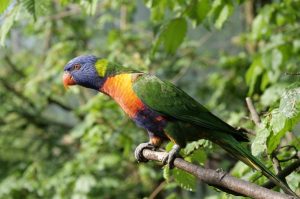 You’ve nurtured your fruit trees for months, watching blossoms turn into tiny green promises. Then, the day before you plan to harvest, you find your peaches, berries, or tomatoes pecked to ruin. The culprits? A mix of parrots, possums, and curious smaller birds sees your garden as their personal buffet.
This frustration is universal, but the solution isn’t just one method—it’s a layered strategy. This guide cuts through the gimmicks and shows you the most effective, humane ways to protect your harvest, from high-tech netting to simple, clever tricks.
🐦 Who’s Eating Your Harvest? (Identify the Culprit)
The best method depends on the thief. Here’s who’s likely responsible:
| Pest | Target Foods | Signature Damage |
|---|---|---|
| Rainbow Lorikeets & Parrots | Stone fruit (peaches, plums), apples, pears, figs. | Large, neat, rounded pecks taken out of fruit. Often attack in noisy gangs. |
| Sulphur-crested Cockatoos | Corn cobs, young tree bark, native fruits. | Complete destruction. They’ll shred corn husks and strip whole cobs. |
| Possums & Fruit Bats | Stone fruit, berries, leafy greens. | Half-eaten fruit left on the tree, often with claw marks. Damage occurs overnight. |
| Smaller Birds (Mynas, Starlings) | Berries (strawberries, blueberries), cherries, grapes. | Many small pecks or entire berries gone. They attack in numbers. |
Related Problem: If the issue is aggressive birds at a feeder, see our guide on Managing Aggressive Backyard Birds.
✅ The Solutions: Ranked from Most to Least Effective
1. Physical Exclusion (The Gold Standard)
Netting is the only 100% effective method. Everything else is a deterrent.
-
For Fruit Trees: Use knitted, UV-stable bird netting (19mm mesh or smaller). Drape it over the entire tree and secure it tightly at the trunk to prevent birds and possums getting tangled or trapped underneath. Use a frame for dwarf trees.
-
For Vegetable Beds & Berries: Build simple PVC pipe or timber frames to support netting as a “cage” over your beds.
-
Pro Tip: Net before fruit ripens and changes colour. Birds are attracted by visual cues.
2. Visual & Auditory Deterrents (Temporary & Need Rotation)
These can reduce damage but rarely stop a determined, hungry bird. You must move them every 2-3 days.
-
Reflective Tape & Old CDs: The movement and flashes can
 startle birds initially.
 -
Predator Decoys: Plastic owls or hawk silhouettes may work for a day or two until birds realise they’re fake. Move them daily.
-
Wind Chimes & Aluminium Pie Plates: The noise and movement create an unpredictable environment.
3. Taste & Smell Repellents (Variable Results)
-
Commercial Spray Repellents: (e.g., based on capsaicin/chilli). Must be reapplied after every rain. Can deter mammals like possums.
-
Home Remedies: Hanging scented soap bars or spraying garlic/chilli sprays has mixed, often anecdotal, results.
4. The “Sacrificial Crop” Strategy (Smart & Kind)
Plant extra just for the wildlife. A dedicated berry bush or a sunflowers away from your main crop can distract birds, accepting a shared harvest.
🛒 Product Comparison Table
| Method | Best For | Effectiveness | Cost & Effort |
|---|---|---|---|
| Bird Netting | Trees, entire garden beds. | 10/10 (Total exclusion). | High initial cost/effort, lasts years. |
| Fruit Protection Bags | Individual fruit clusters (e.g., grapes, apples). | 9/10 (Excellent for small scale). | Moderate effort to bag each cluster. |
| Reflective Deterrents | Small berry patches, as part of a mix. | 4/10 (Temporary, habituation fast). | Very low cost/effort. |
| Commercial Sprays | Leafy greens, small gardens. | 5/10 (Weather dependent). | Ongoing cost, frequent reapplication. |
🚫 Ineffective Methods & Myths
-
Single Fake Owl/Snake: Birds are smart. They’ll ignore it within hours if it doesn’t move.
-
Ultrasonic Repellers: Ineffective outdoors; sound doesn’t travel well.
-
Shiny Christmas Tinsel: A brief curiosity, not a deterrent.
-
Trying to Scare Them Away: Exhausting and futile. Birds will return the moment you go inside.
🌿 Integrated Strategy: A Sample Plan for a Peach Tree
-
Early Season: Install reflective tape in the canopy as blossoms set fruit.
-
As Fruit Swells (Weeks Before Ripening): Drape bird netting over the entire tree, securing it at the trunk.
-
During Ripening: If pests persist, consider spraying a chilli-based repellent on the outside of the netting as an extra barrier.
-
Harvest: Remove netting carefully, harvest all ripe fruit promptly, and leave a few fruits at the top as a sacrificial offering.
❓ Frequently Asked Questions
Q: Is it legal to harm birds eating my fruit?
A: NO. All native birds are protected. It is illegal to shoot, trap, or poison them. Your only legal recourse is humane deterrence and exclusion.
Q: When should I start protecting my fruit?
A: The moment fruit begins to form and swell. Do not wait for colour change—birds will find it first.
Q: What about possums? Doesn’t netting stop them?
A: Properly secured netting (sealed at the trunk) stops climbing possums. If they get inside, they become trapped—check nets daily. For possums, metal collars on tree trunks can also be effective.
Q: Will birds become dependent on my garden?
A: They will learn it’s a food source, yes. That’s why physical exclusion (netting) is key. Deterrents alone won’t break their habit if the reward (your fruit) is consistently available.
Don’t wage war—build a better fence. For more solutions to backyard wildlife challenges, explore Wildlife-Friendly Bird Deterrents: No Spikes or Nets our full Problems Hub.