Bird-Proofing Your Balcony or Apartment: An Urban Survival Guide
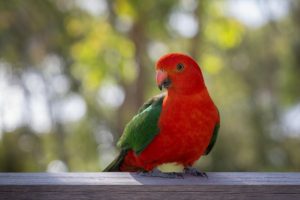 Living in an apartment doesn’t mean you’re safe from bird-related dramas. A balcony can be a magnet for birds seeking a high-rise perch, a nesting cavity, or scraps of food. The result can be a messy, noisy, and sometimes destructive situation that feels impossible to manage when you’re several floors up.
This guide is for the urban dweller. We focus on humane, renter-friendly, and body-corporate-appropriate solutions to reclaim your balcony from pigeons, mynas, sparrows, and even curious parrots, without harming them or violating your lease.
🏙️ The Unique Challenges of Apartment Bird Problems
-
Height & Access: You can’t easily trim overhanging trees or access roof spaces.
-
Rental Restrictions: You may not be allowed to install permanent fixtures or drill into walls.
-
Shared Spaces: Birds may be attracted to a neighbour’s balcony or building-wide features.
-
Concentrated Mess: Droppings and nest materials accumulate quickly in small spaces.
✅ The Solutions: Humane & Practical Methods for Balconies
1. Physical Exclusion (The Most Effective Category)
Make it impossible for birds to land or enter.
-
Balcony Netting (The Ultimate Solution):
-
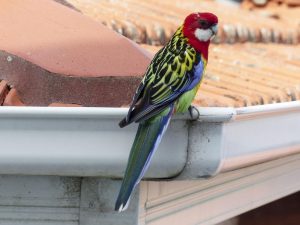
“Where the heck is their balcony?” What it is: A tightly strung, durable nylon or polyethylene net that encloses the entire balcony as a “cage.”
-
Best For: Completely stopping birds from entering the space. Also keeps in pets and provides shade.
-
Installation Tip: Use tension wires, hooks, and carabiners to create a non-permanent, removable system that doesn’t damage the structure. Ensure the mesh is small (19mm or less) to keep out small birds like sparrows.
-
-
Bird Spikes & Strips:
-
Best For: Railings, ledge tops, and the tops of exterior air conditioning units.
-
Renter-Friendly Option: Use gel-based, non-piercing spike strips that adhere with strong outdoor tape or zip ties instead of screws.
-
-
Window & Door Seals:
-
Seal gaps around sliding doors and windows with weatherproof stripping to prevent sparrows or mynas from sneaking inside.
-
2. Removing Attractions (Fundamental)
Your balcony is only interesting if it offers something.
-
Zero Food Policy: Never feed birds from your balcony. It trains entire flocks to visit. Store outdoor cushions (which can hold food crumbs) inside.
-
Remove Water Sources: Don’t leave out bowls of water for pets. Use a covered bird bath if you wish to provide water.
-
Declutter: Remove potted plant groupings, storage boxes, and furniture clusters that create hidden nooks perfect for nesting.
3. Visual & Sensory Deterrents (For Mild Problems)
-
Reflective Deterrents: Hang old CDs, reflective tape, or spinning pinwheels. The movement can deter landing.
-
Scent Repellents: Citrus peels or chili flakes in pot plants may offer mild, temporary deterrence.
-
Ultrasonic Devices: Generally ineffective outdoors on balconies; sound disperses too quickly.
🚫 What NOT to Do on an Apartment Balcony
-
Do NOT use poisons or traps. It’s inhumane, illegal for native birds, and poisoned birds can fall into neighbouring balconies or public areas.
-
Do NOT use sticky gels on railings. They are cruel, can harm other wildlife, and make a terrible mess.
-
Do NOT harass protected native birds (like parrots). Focus on exclusion.
-
Do NOT ignore body corporate rules. Always check your strata by-laws before installing any fixtures, even temporary ones.
📋 Balcony Bird-Proofing Checklist
-
Inspect: Identify where birds are landing/roosting/nesting.
-
Declutter: Remove all potential food, water, and nesting hideaways.
-
Choose Primary Deterrent: For serious problems, plan for netting or spikes.
-
Check Lease & Body Corporate Rules: Get permission if needed.
-
Install Humanely: Use non-damaging, removable fittings where possible.
-
Maintain: Regularly check nets for damage and re-secure deterrents.
🆘 Special Scenario: Birds Already Nesting on Your Balcony
If you discover an active nest with eggs or chicks:
-
Stop. It is illegal to disturb or move it. You must wait for the chicks to fledge and leave (typically 4-6 weeks).
-
Tolerate the temporary mess. Clean around the nest carefully if needed, wearing gloves and a mask.
-
Plan the exclusion. The day after the nest is confirmed abandoned, remove it and immediately install your chosen proofing method to prevent re-nesting next season.
Need nest removal specifics? Our guide on Birds Nesting in Roof Vents covers the safe, legal process in detail.
❓ Frequently Asked Questions (Apartment Edition)
Q: Are pigeons the only problem?
A: No. In Australia, Indian Mynas and Common Sparrows are frequent balcony invaders. In leafy suburbs, lorikeets and cockatoos may also land out of curiosity and cause damage with their chewing.
Q: My neighbour feeds pigeons. What can I do?
A: This is tricky. You can politely educate them on the problems it causes (mites, mess, property damage). If that fails, your best defence is superior proofing on your own balcony (netting).
Q: Will netting block my view?
A: Quality netting in a dark colour (black, dark green) strung taut becomes almost invisible from inside, especially against a backdrop. It preserves the view while providing a barrier.
Q: What’s the cheapest way to start?
A: Declutter completely + reflective deterrents. Remove all attractions first, then hang a few CDs or reflective tapes. This costs almost nothing and solves many mild problems.
You can enjoy your urban oasis without it becoming a bird hostel. For more solutions to common bird problems, such as Wildlife-Friendly Bird Deterrents, explore our full Problems Hub.