Why Are Birds Attacking My Windows? (And How to Stop It For Good)
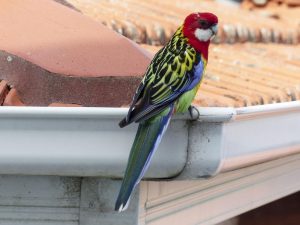 The sudden “thud” of a bird hitting your window, followed by the persistent tapping and pecking of a bird attacking its own reflection, is alarming and confusing. You’re not being targeted—the bird is essentially fighting an imaginary rival or trying to reach an illusory space.
This behaviour is most common in spring during breeding season when birds are at their most territorial, but it can happen year-round. This guide explains the science behind the attacks and gives you humane, effective solutions to protect both the birds and your windows.
🪞 The Two Reasons Birds Attack Windows
1. Territorial Aggression (The Most Common Cause)
-
What Happens: A bird (often a magpie, robin, or butcherbird) sees its reflection and believes it is another bird invading its established mating and nesting territory.
-
Behaviour: Persistent pecking, clawing, and charging at the window. It often happens at first light and can continue for hours, usually focused on a single window.
-
Season: Peaks in spring and early summer during breeding season.
2. Mistaken Passage (Collisions)
-
What Happens: Birds see the reflection of trees, sky, or greenery in your window and believe they can fly through it to safety or to another perch.
-
Behaviour: A single, high-speed impact. This is less of an “attack” and more of a tragic collision, often fatal for the bird.
-
Season: Can happen any time, especially with large, clean windows on wooded properties.
✅ How to Stop Birds Attacking Windows: 7 Humane Solutions
The goal is to break up the reflection on the outside of the glass. Treatments on the inside often don’t work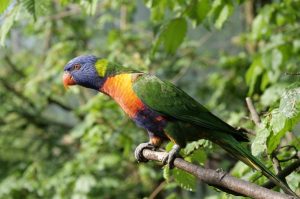 because the reflection remains.
Immediate, Temporary Fixes
-
Soap or Tempera Paint: Draw patterns or paint the outside of the window with a bar of soap or non-toxic, water-based tempera paint. It’s cheap, easy, and washes off.
-
Sticky Notes or Tape Strips: Apply strips of painter’s tape, masking tape, or sticky notes in a dense grid pattern (no more than 2 inches apart).
Effective, Long-Term Solutions
-
Anti-Reflection Window Decals: Apply UV-reflective decals (like WindowAlert). They appear as a faint frosted pattern to humans but look like a glowing barrier to birds. Must be placed close together (2-4 inches apart).
-
External Screens or Netting: Install a fine mesh bird netting about 3 inches from the window surface. This is the single most effective method for preventing all collisions.
-
External Sun Shade or Awning: An awning, shade cloth, or external blind that angles over the window eliminates the reflection by blocking the light that creates it.
-
Falcon Silhouette Decals (A Warning): The classic single hawk sticker does not work. Birds quickly see it’s not moving and will fly around it. You need many decals to break up the reflection.
-
One-Way Transparent Film: Apply a semi-transparent perforated film (like CollidEscape) to the outside of the window. It allows you to see out clearly but makes the window appear opaque from the outside.
🚫 What Does NOT Work
-
Closing the indoor curtains/blinds (the reflection often remains on the outside).
-
A single predatory bird decal.
-
Scaring the bird away each time (it will return as long as the “rival” reflection remains).
🆚 Bird Attack vs. Bird Collision: A Quick Guide
| Sign | Territorial Attack | Fatal Collision |
|---|---|---|
| Sound | Repetitive tapping/pecking. | One single, loud thud. |
| Bird’s Behaviour | Returns repeatedly, often daily. | Usually found stunned or deceased below window. |
| Best Solution | Break the reflection (decals, soap, screen). | Make the window visible (decals, strips, netting). |
Found a hurt bird? Contact your local wildlife rescue organisation immediately. Keep
the bird in a dark, ventilated box and do not offer food or water.
📚 Related Problem-Solving Guides
-
Coping with Noisy Birds in the Morning – Dealing with dawn choruses.
-
Backyard Bird Care & Feeding Guide – How to attract birds safely.
❓ Frequently Asked Questions
Q: Is the bird hurting itself?
A: They can, from exhaustion or repeated impact. While rarely immediately fatal from a territorial attack, it diverts crucial energy from nesting and feeding.
Q: Will this behaviour go away on its own?
A: Sometimes, after the breeding season ends, the territorial drive lessens. However, it can persist for weeks or months, causing significant stress to the bird.
Q: Are certain birds more likely to do this?
A: Yes. In Australia, Magpies, Willie Wagtails, Grey Butcherbirds, and Australian Robins are frequent culprits due to their strong territorial instincts.
Q: Why is it always the same window?
A: The angle of that window likely creates the clearest reflection of the bird’s territory (like a bush or lawn) at certain times of day.
Large parrots like cockatoos often attack windows due to territorial behavior and their unique skull structure that protects them from impact. Find out what makes cockatoos scream and how their skull protects them from a 135 – 140 decibel noise (140 is a jet plane taking off) that SHOULD deafen them. Also check out some Wildlife-Friendly Bird Deterrents. Inexpensive and solve the problem.
Still need help with a backyard bird problem? Explore all our humane solutions in the main Problems Hub.