Are Lorikeets Aggressive? Understanding Their Feisty Social World
Chaos at the Feeder
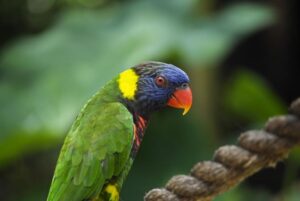 A rainbow lorikeet feeding station often looks less like a peaceful garden scene and more like a feathered rugby scrum—full of loud bickering, chasing, and the occasional mid-air tussle. This leads many to wonder: are these beautiful birds actually aggressive? The answer lies in understanding that their behaviour is driven by intense social competition, not malice. They are feisty, not fierce in the traditional sense.
Part 1: It’s Not Aggression, It’s Hyper-Competition
Lorikeets live in large, complex flocks where resources like prime feeding spots and nesting hollows are limited. Their interactions are governed by a few key drives:
Related Posts
-
Hand-Feeding Lorikeets: Weighing the Pros & Cons Hand-Feeding Lorikeets: Weighing the Pros, Cons & Crucial Ethics The image of a Rainbow Lorikeet perched confidently on…
-
Do Lorikeets Remember Humans? The Science of Recognition Do Lorikeets Remember Humans? The Science of Avian Recognition After a few visits, the bold rainbow lorikeet at your feeder…
-
Australian Lorikeet Identification Guide: Rainbow Or What? How to Identify Australian Lorikeets: A Guide to Rainbow, Scaly-breasted & More Introduction: A Flash of Confusing Colour…
-
Can Lorikeets Eat Fruit? The Safe List (Yes & No) Can Lorikeets Eat Fruit? A Guide to Safe & Unsafe Fruits Yes, Rainbow Lorikeets can and do eat fruit,…
-
How Intelligent Are Lorikeets? Quite Amazing. Lorikeet Intelligence: Clever Tricks, Problem-Solving & Memory Tests 🧠 THE LORIKEET INTELLIGENCE REPORT CARD Intelligence Type Rating (1-10) Comparison…
-
Resource Guarding (Food & Space): At a busy feeder or flowering tree, lorikeets will actively chase others away from “their” spot. This isn’t a personal attack; it’s a calculated move to secure the best food source. The bird at the top of the blossom cluster gets the most nectar.
-
Social Hierarchy: Flocks have loose pecking orders. Displays of dominance—like a loud screech, an open-beak lunge, or a short chase—are how they maintain this structure without serious injury.
-
Mate & Nest Protection: During breeding season, pairs become highly territorial around their nest hollow. They will dive-bomb much larger birds, like cockatoos or even currawongs, to defend their eggs or chicks. This is true defensive aggression.
You Might Also Like
-
Safe Sugar Water for Lorikeets: The Right Recipe How to Make Safe Sugar Water for Lorikeets: The Correct Recipe Rainbow lorikeets are spectacular visitors that bring…
-
Attract Rainbow Lorikeets: Ethical Guide with Plants & Safe Food How to Attract Rainbow Lorikeets to Your Garden (The Right Way) A Living Rainbow in Your Garden The…
-
Rainbow Lorikeet Diet: Natural Food & Safe Backyard Feeding The Rainbow Lorikeet Diet: What They Eat in the Wild vs. Your Backyard More Than Just Pretty Feathers…
-
Part 2: Lorikeets vs. Other Birds (The Garden Dynamics)
Lorikeets are confident and hold their own against most other backyard birds.
-
Towards Smaller Birds (e.g., finches, honeyeaters): They are mostly bullies by accident. Their sheer size, noise, and chaotic energy will displace smaller species from a feeder simply by occupying it.
-
Towards Similar-Sized Birds (e.g., other parrots): They are highly competitive. You’ll see intense aerial chases and stand-offs with rosellas or king parrots over food sources.
-
Towards Larger Birds (e.g., cockatoos, ravens): They become mob defenders. As a flock, they will noisily harass and chase away larger potential threats or competitors, using their numbers as an advantage.
[Menu:lorikeet]
Part 3: Do Lorikeets Attack Humans?
Almost never unprovoked. However, they can deliver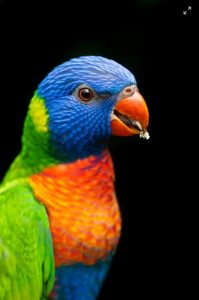 a painful nip in specific contexts:
-
If They Feel Cornered or Trapped: Never try to grab a wild lorikeet.
-
During Hand-Feeding (Which We Don’t Recommend): In the frantic competition for a treat, they might accidentally grab your finger instead of the food. Their beaks are designed to crush fruit and bark—they can break skin.
-
During Nest Defense: If you get too close to a nest hollow (which you should never do), you risk being dive-bombed or nipped.
Part 4: Managing the Madness at Your Feeder
If the squabbling becomes too much, you can manage it humanely:
-
Create Multiple Feeding Stations: Spread out several small feeders or plant more flowering shrubs. This reduces crowding and direct competition.
-
Use Feeders with Multiple Ports: Specially designed lorikeet feeders with several perches allow more birds to feed at once, reducing the need to fight for a single spot.
-
Provide Ample Space: Ensure feeders are in an open area, not a confined corner, so chased birds have an easy escape route and don’t feel trapped.
-
Accept the Nature of the Beast: Some level of noisy jostling is intrinsic to lorikeet society. It’s a sign of a healthy, active flock.
Conclusion: The Price of Passion
Lorikeets aren’t aggressive; they are passionately competitive. Their loud, physical interactions are the language of a species built for life in bustling, resource-rich colonies. The chaos at your feeder is simply their wild social world compressed into a small space.
To enjoy lorikeets is to accept a certain level of feathered drama. It’s all part of the vibrant, unruly package of living with these incredible living rainbows.
Observing lorikeet behaviour? Learn to identify them first with our guide: How to Identify Australian Lorikeets.
Have a story about a bold lorikeet? Want to know how to attract Lorikeets to your garden? Share it in the comments below!