The Beak Whisperer: How to Stop Your Bird from Biting You
You’ve built the trust. You’ve earned the chirps. And then, out of nowhere, a sharp pinch—or worse—reminds you that your sweet feathered friend comes equipped with a pair of bolt cutters. Bird bites hurt, both physically and emotionally. But here’s the good news: biting is almost never random, and it’s almost never personal. It’s communication. Your job is to learn the language.
Step 1: Understand Why Birds Bite
Before you can fix the behaviour, you need to know what’s driving it. Birds bite for a handful of very good (to them) reasons. They bite out of fear when something scary approaches. They bite to communicate “no” when they’re handled roughly or pushed past their comfort zone. They bite when they’re overstimulated, exhausted, or hormonal. And sometimes, they bite because they’ve learned it works—a nip gets a reaction, and a reaction is attention.
Related Posts
-
How to Introduce Your New Bird to Your Dog The Careful Introduction: How to Introduce Your New Bird to Your Dog Dogs and birds can coexist peacefully—some…
-
How to Introduce Your New Bird to Your Cat The Delicate Introduction: How to Introduce Your New Bird to Your Cat Let's start with the honest truth:…
-
How to Bond With a Bird That Doesn’t Like Humans The Long Road Home: How to Bond with a Bird That Doesn't Trust Humans Some birds arrive already…
-
How to Teach Your Bird to ‘Step Up’ The Foundation Skill: How to Teach Your Bird to 'Step Up' "Step up" is the handshake of the…
-
How to Get a Bird to Trust You The Long Game: How to Get a Bird to Trust You Trust with a bird is not given.…
Spend a week observing your bird before you change anything. When does the biting happen? Who does it happen to? What precedes it? You may discover that your bird only nips when you reach into the cage, or only when a certain hat enters the room. That pattern is your roadmap.
[Menu:how to]
Step 2: Read the Warning Signs
Birds rarely go from calm to chomp without a warning. Learning to read your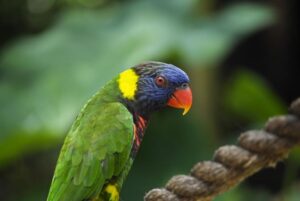 bird’s body language is the single most effective way to prevent bites. Watch for a flash of the eyes (called “pinning”), a ruffled crown of feathers, a wagging tail, a slightly open beak, or a low, throaty growl. When you see these signals, stop what you’re doing. Give your bird space. A bite that never happens is better than a bite you “correct” after the fact.
You Might Also Like
-
How To Stop A Bird From Plucking The Feather Puzzle: How to Help a Bird That Plucks You walk past the cage and see another…
-
How to Introduce a New Bird to Its New Home The Homecoming: How to Introduce a New Bird to Its New Home The carrier door opens. Your new…
-
How to Convince Your Parents to Get You a Bird The Feathered Proposal: How to Convince Your Parents to Get You a Bird You’ve done the research. You’ve…
-
How To Keep A Bird’s Trust Trust Busters: The Biggest Mistakes That Destroy a Bird's Trust You did the work. You sat patiently, offered…
-
How To Build A Bird Feeder How to Build a Simple DIY Wooden Bird Feeder: A Step-by-Step Guide Attracting local birds to your backyard…
Step 3: Respect the “No”
This is the hardest lesson for bird owners. When your bird clearly signals it doesn’t want to be touched, picked up, or moved, listen. Forcing interaction teaches your bird that its warnings are ignored—so it will skip the warning next time and go straight to the bite. If your bird backs away or nips gently as a warning, respect that boundary. Trust is built on consent, and a bird that trusts you is a bird that bites far less.
Step 4: Never Punish—Redirect
The instinct to yell, tap the beak, or put the bird back in its cage after a bite is strong. Resist it. Punishment teaches fear, not understanding. If you yell, you’ve just given your bird a big, exciting reaction—which may be exactly what it wanted. If you tap the beak, you risk teaching your bird that hands are something to fear and fight.
Instead, use the “time-out” method. When a bite happens, calmly and silently place your bird back in its cage or on a perch for a minute or two. No drama, no scolding. This removes the reward (your attention) and gives both of you a moment to reset. Then, try again with a calmer approach.
Step 5: Train with Positive Reinforcement
Birds learn beautifully through positive reinforcement. Every time your bird allows a gentle step-up without biting, reward it with a treat, a favourite toy, or enthusiastic praise. Use a “bridge” word like “good” the instant the desired behaviour happens, then deliver the treat. Over time, your bird learns that calm, gentle behaviour earns rewards, while biting earns a boring time-out.
You can also teach your bird to “target” a stick with its beak. This is a fun, low-stakes game that builds trust, gives your bird a mental workout, and provides an alternative behaviour to biting. A bird that’s busy touching a target is a bird that’s not nipping your finger.
Step 6: Rule Out the Physical
Sometimes biting is a symptom, not a habit. A bird in pain—from an injury, an illness, or even a new pin feather coming in—may bite when handled. If your bird’s biting is sudden and uncharacteristic, a vet visit is in order. Also, check the basics: Is your bird getting enough sleep? Is the cage in a stressful, high-traffic spot? Is it getting enough mental stimulation and out-of-cage time? A bored, tired, or stressed bird is a bitey bird.
Step 7: Be Patient—and Consistent
Changing behaviour takes weeks, not days. There will be setbacks. The key is consistency. Every family member must follow the same rules: respect the warnings, redirect calmly, reward the good. With patience, your bird will learn that hands are safe, boundaries are respected, and gentle behaviour pays. And one day, you’ll realise you can’t remember the last time you needed a bandage.