Rosella vs Lorikeet: Spot the Difference in Your Garden
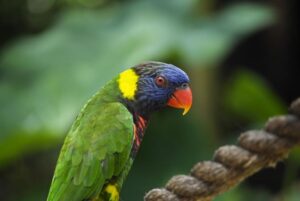 You glance out at your feeder and see a flash of red, blue, and green. Is it a rosella or a lorikeet? For many Australian
 bird lovers, this is a common moment of confusion. Both are stunningly colourful parrots that visit gardens, but they’re as different as quiet librarians and rowdy football fans.
This guide cuts through the confusion with 8 clear differences. By the end, you’ll be able to identify them at a glance and understand why they behave so differently in your backyard.
Related Posts
-
Shelter for Backyard Birds: Create Safe Habitat Shelter for Backyard Birds: Creating Safe Habitat with Native Plants Food and water will attract birds, but shelter is what…
-
Can You Keep Native Australian Birds as Pets? Why You Can't Keep Native Australian Birds as Pets (And What's Actually Allowed) That moment of connection with…
-
Common Bird Calls & Meanings: Decode Australian Songs Common Backyard Bird Calls & What They Mean That chorus outside your window isn't just noise—it's a complex…
-
Lorikeet vs Rosella: The Backyard Rivalry Explained Lorikeet vs. Rosella: Backyard Rivals? Picture your bird feeder. The Rainbow Lorikeets arrive like a boisterous sports team,…
-
Parrots in Your Backyard with Dogs or Cats: A Safe Guide You Want Parrots in Your Backyard, But You Have Dogs or Cats The dream of colourful parrots visiting…
🎯 Quick Answer: The One-Second ID Test
Look at the beak and listen:
-
Lorikeet: Short, black brush-tipped beak + Constant loud screeching
-
Rosella: Longer, pale grey seed-crushing beak + Soft chirps or silence
You Might Also Like
-
Can Birds Eat Bread? Why It’s Harmful & Safe Foods Can Birds Eat Bread? The Truth About This Common Practice Feeding ducks at the pond or tossing crusts…
-
When to Stop Feeding Birds? An Australian Seasonal Guide When to Stop Feeding Birds: An Australian Seasonal Guide A common question from caring bird lovers is, "When…
-
What Can Birds Eat? Safe Foods & Toxic Dangers for Australian Backyard Birds What Can Birds Eat? Your Safe & Toxic Food Guide for Australian Backyard Birds The Well-Meaning Mistake We…
-
Backyard Bird Water Bowls: A Complete Setup Guide Do Backyard Birds Need Water Bowls? Your Complete Setup Guide While much focus is on feeding birds, providing…
-
Best Bird Feeders for Australia: Safe & Durable Picks Choosing the Best Bird Feeders for Australia Selecting the right bird feeder isn't just about attracting birds—it's about safety,…
-
If it sounds like a playground fight and has a paintbrush for a mouth, it’s a lorikeet. If it’s quietly picking seeds off the ground with a delicate beak, it’s a rosella.
📊 Side-by-Side Comparison: 8 Key Differences
| Feature | Rainbow Lorikeet | Crimson/Eastern Rosella |
|---|---|---|
| Size & Shape | 25-30cm, stocky, short tail | 26-36cm, slender, long tapered tail |
| Beak Type | Short, black, brush-tipped for nectar | Longer, pale grey, pointed for seeds |
| Primary Colors | Rainbow explosion: Blue head, green wings, orange/yellow chest, red beak | Elegant blocks: Crimson/red body, blue cheek patches, black back with yellow/red scalloping |
| Feeding Behaviour | Acrobatic, aggressive at nectar feeders, hangs upside down | Ground-feeding, shy, picks seeds from lawn or low tray |
| Vocalization | Constant loud screeches, rolling chatters, aggressive squawks | Soft melodic chirps, gentle “chwit-chwit” contact calls |
| Social Style | Large noisy flocks (10-50+), highly social, competitive | Pairs or small family groups (2-6), solitary feeders |
| Primary Diet | Nectar, pollen, soft fruits (specialized tongue) | Seeds, grasses, some berries (strong crushing beak) |
| Temperament | Bold, pushy, dominant – will chase other birds | Shy, cautious, easily bullied – will flee from conflict |
🎨 Visual Identification Guide
The “Beak Test” (Easiest Method)
-
Lorikeet beak: Looks like it dipped its nose in black paint. Short, stout, designed for liquid food.
-
Rosella beak: Elegant, pale grey, perfect for precision seed-cracking.
[Menu:rosella,lorikeet]
The “Color Pattern” Check
-
Lorikeet: Color everywhere – no single dominant color, like a rainbow splatter painting.
-
Crimson Rosella: Crimson/red body with distinctive blue cheek patches and black back with red scallops.
-
Eastern Rosella: Red head/chest with white cheek patches, yellow belly, green wings.
The “Feeding Position” Tell
-
Lorikeet: Upside down in bottlebrush, clinging to nectar feeders, acrobatic.
-
Rosella: On the ground or low perch, dainty picking at seeds.
🏡 Behaviour in Your Garden: Why They’re So Different
At Your Feeder:
-
Lorikeets: Will dominate and monopolize nectar feeders, chasing all other birds away in a screaming mob.
-
Rosellas: Will wait nervously at the edge, darting in for seeds only when lorikeets are absent. Often feed on spilled seed under the feeder.
Social Dynamics:
-
Lorikeets: Strength in numbers. They’re bullies who know their gang has power.
-
Rosellas: Quiet individuals. They’re the kids who get their lunch money stolen.
This dynamic is exactly why we call them Backyard Rivals in our behaviour guide.
🌿 Habitat & Range Differences
Where You’ll Find Them:
-
Lorikeets: Coastal and urban areas, especially where flowering gums and nectar feeders are abundant. True city slickers.
-
Rosellas: Woodland edges, forests, and suburban gardens adjacent to bushland. More reserved country cousins visiting town.
Seasonal Patterns:
-
Lorikeets: Year-round residents in most areas where food is provided.
-
Rosellas: More seasonal/nomadic – may disappear for months if natural seed crops are good elsewhere.
🔍 Common Confusion Points
“But I Saw a Green Parrot with Red!”
-
Juvenile Crimson Rosella: Green with red forehead – looks nothing like adults!
-
Scaly-breasted Lorikeet: Green with yellow scalloping – often confused with rosellas.
-
King Parrot female: Green with red belly – much larger, different shape.
The Sound Check (When You Can’t See)
Close your eyes:
-
Lorikeets: Impossible to ignore. Screaming, rolling screeches.
-
Rosellas: Might not even notice them. Soft, musical chirps.
🎯 Quick ID Flowchart
Is the parrot making deafening noise?
├── Yes → It's a LORIKEET
└── No → Look at the beak:
    ├── Short, black, brush-tipped → LORIKEET
    └── Longer, pale, pointed → Look at feeding:
        ├── Upside down in flowers → LORIKEET
        └── On ground eating seeds → ROSELLA
❓ Frequently Asked Questions
Q: Can rosellas and lorikeets interbreed?
A: No. They’re completely different genera (Trichoglossus vs Platycercus) with different diets, behaviours, and genetics. It would be like a dolphin mating with a giraffe.
Q: Which is more likely to visit my garden?
A: If you have nectar feeders or flowering gums → Lorikeets. If you have seed feeders or grassy areas → Rosellas. If you have both… prepare for drama.
Q: Why do lorikeets bully rosellas so much?
A: Different evolutionary strategies. Lorikeets evolved as aggressive, social nectar specialists. Rosellas evolved as cautious, solitary seed specialists. In your garden, the lorikeet’s strategy wins. Read more about their rivalry here.
Q: Can I attract both peacefully?
A: Yes, with separation. Place nectar feeders high (lorikeet zone) and seed trays on the ground away from the action (rosella safe zone). Keep them at least 10 metres apart.
Q: Are there other lookalikes I should know?
A: Yes! King parrots (much larger), eastern rosellas (different color pattern), and scaly-breasted lorikeets (all green with yellow). Our Australian Parrot Identification Guide covers them all.
📚 Related Guides
-
Lorikeets & Rosellas: Backyard Rivals – Why they fight & how to manage it
-
Crimson vs Eastern Rosella Identification – Telling rosella species apart
-
Rainbow Lorikeet Complete Guide – Everything about the noisy nectar lovers
-
Australian King Parrot vs Rosella – Another common confusion solved
- Attract Rainbow Lorikeets: Ethical Guide with Plants & Safe Food – Lorikeets love plants and ethics.
🎨 Your New Superpower
Tomorrow when you hear that familiar screeching from the gum tree, you won’t just think “birds.” You’ll think: “Ah, the lorikeet mob has arrived. Better check if any rosellas are trying to sneak breakfast before the bullies spot them.”
You’re not just identifying birds anymore—you’re reading the social dynamics of your backyard ecosystem. And understanding these differences is the first step to creating a garden where all birds can thrive.
Still seeing conflict? Learn how to create peace in our Backyard Bird Rivalry Solutions guide.