Why You Can’t Keep Native Australian Birds as Pets (And What’s Actually Allowed)
 That moment of connection with a wild king parrot at your feeder is magical. It’s natural to wonder: “Could I have this beautiful bird as a companion?” The short, legal answer is no—with very few exceptions. But understanding why reveals a deeper truth about our role as guardians of Australia’s unique wildlife.
The Simple Law: Protection First
Related Posts
-
Parrots in Your Backyard with Dogs or Cats: A Safe Guide You Want Parrots in Your Backyard, But You Have Dogs or Cats The dream of colourful parrots visiting…
-
Rosella vs Lorikeet: 8 Key Differences to Identify Them Rosella vs Lorikeet: Spot the Difference in Your Garden You glance out at your feeder and see a…
-
Common Bird Calls & Meanings: Decode Australian Songs Common Backyard Bird Calls & What They Mean That chorus outside your window isn't just noise—it's a complex…
-
Can Birds Eat Bread? Why It’s Harmful & Safe Foods Can Birds Eat Bread? The Truth About This Common Practice Feeding ducks at the pond or tossing crusts…
-
When to Stop Feeding Birds? An Australian Seasonal Guide When to Stop Feeding Birds: An Australian Seasonal Guide A common question from caring bird lovers is, "When…
Every native Australian bird—from the rainbow lorikeet at your nectar feeder to the wedge-tailed eagle soaring overhead—is protected by law. This isn’t bureaucracy; it’s a survival strategy born from harsh lessons.
After European settlement, millions of birds were trapped for the pet trade, leading to local extinctions and suffering. The laws exist because when something is beautiful and wild, we tend to love it to death.
What You CANNOT Do (The Clear Lines)
You Might Also Like
-
Best Bird Feeders for Australia: Safe & Durable Picks Choosing the Best Bird Feeders for Australia Selecting the right bird feeder isn't just about attracting birds—it's about safety,…
-
Backyard Bird Care: Essential Feeding, Water & Habitat Guide Backyard Bird Care & Feeding: Your Essential Australian Guide The Joy & Responsibility Welcoming birds into your backyard…
-
Lorikeet vs Rosella: The Backyard Rivalry Explained Lorikeet vs. Rosella: Backyard Rivals? Picture your bird feeder. The Rainbow Lorikeets arrive like a boisterous sports team,…
-
What Can Birds Eat? Safe Foods & Toxic Dangers for Australian Backyard Birds What Can Birds Eat? Your Safe & Toxic Food Guide for Australian Backyard Birds The Well-Meaning Mistake We…
-
Backyard Bird Water Bowls: A Complete Setup Guide Do Backyard Birds Need Water Bowls? Your Complete Setup Guide While much focus is on feeding birds, providing…
-
Keep a bird you’ve “rescued” – Even if it seems bonded to you
-
Take chicks or eggs from a nest – However well-intentioned
-
Buy or sell native birds – No matter what anyone tells you
-
Keep a bird as a “pet” in the traditional sense
The Grey Area: When Temporary Becomes Illegal
Many well-meaning people start with: “I’ll just care for this injured bird until it’s better.”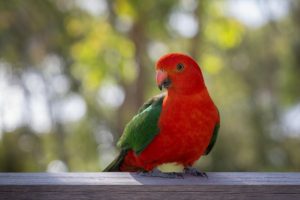 Weeks turn to months, bonds form, and suddenly they’re keeping a protected species illegally. This is how most illegal possession cases begin.
The Legitimate Pathway: Licensed Wildlife Carers
There are people who care for native birds legally—they’re called licensed wildlife carers. They:
-
Complete extensive training
-
Maintain specific facilities
-
Work with veterinarians
-
Always aim for release back to the wild
Their motto: “Wildlife belongs in the wild.”
What SHOULD You Do If You Find an Injured Bird?
-
Call first, don’t catch – Contact WIRES or your local wildlife rescue
-
If in immediate danger, contain gently in a ventilated box
-
Keep warm, dark, and quiet – No food or water
-
Transfer to a licensed carer within hours
The Special Case: Aviaries and Education
Some zoos, sanctuaries, and educational facilities keep native birds under strict licenses for:
-
Breeding programs for threatened species
-
Public education about conservation
-
Research that aids wild populations
These aren’t “pets”—they’re ambassadors with a job.
Why This Actually Deepens Your Connection
Paradoxically, not owning these birds creates a purer relationship. When a king parrot visits your garden, it chooses you. There’s no cage, no dependency—just mutual respect between wild creature and human observer.
That trust—earned through patience, not possession—is more precious than any ownership.
Your Real Role: Gardener, Not Keeper
Instead of wondering about cages, ask:
-
“How can I make my garden a safer haven?”
-
“What native plants will feed them naturally?”
-
“How can I provide water without creating dependency?”
These are the questions that truly matter—and the ones that will bring wild birds back to your garden, season after season, by their own free will.
Related Reading:
-
Are King Parrots Friendly? – Understanding wild trust
-
Why You Can’t Buy a King Parrot – The commercial reality
-
Creating a Wildlife-Friendly Garden – Your true role
Remember: The greatest gift we can give wild birds is their wildness.