Choosing the Best Bird Feeders for Australia
Selecting the right bird feeder isn’t just about attracting birds—it’s about safety, hygiene, and outsmarting clever pests like Rainbow Lorikeets, Sulphur-crested Cockatoos, and even rats. The wrong feeder can waste seed, spread disease, or be destroyed in a single afternoon by a determined parrot.
This guide cuts through the clutter. We’ll match feeder types to common Australian birds, explain the non-negotiable features for our unique wildlife, and show you how to place and maintain feeders to create a safe, sustainable backyard buffet.
Related Posts
-
Parrots in Your Backyard with Dogs or Cats: A Safe Guide You Want Parrots in Your Backyard, But You Have Dogs or Cats The dream of colourful parrots visiting…
-
Common Bird Calls & Meanings: Decode Australian Songs Common Backyard Bird Calls & What They Mean That chorus outside your window isn't just noise—it's a complex…
-
Rosella vs Lorikeet: 8 Key Differences to Identify Them Rosella vs Lorikeet: Spot the Difference in Your Garden You glance out at your feeder and see a…
-
Can You Keep Native Australian Birds as Pets? Why You Can't Keep Native Australian Birds as Pets (And What's Actually Allowed) That moment of connection with…
-
What Can Birds Eat? Safe Foods & Toxic Dangers for Australian Backyard Birds What Can Birds Eat? Your Safe & Toxic Food Guide for Australian Backyard Birds The Well-Meaning Mistake We…
🎯 The Australian Feeder Checklist: Durability & Safety First
Before you look at styles, demand these features:
-
Parrot-Proof Materials: Opt for heavy-duty plastic, powder-coated steel, or solid timber. Thin plastic, softwoods, and flimsy clasps will be shredded by cockatoos and corellas.
-
Secure Closures & Lids: Feeders must have lockable or very secure lids to keep out Indian Mynas, Common Starlings, and possums at night.
You Might Also Like
-
When to Stop Feeding Birds? An Australian Seasonal Guide When to Stop Feeding Birds: An Australian Seasonal Guide A common question from caring bird lovers is, "When…
-
Lorikeet vs Rosella: The Backyard Rivalry Explained Lorikeet vs. Rosella: Backyard Rivals? Picture your bird feeder. The Rainbow Lorikeets arrive like a boisterous sports team,…
-
Shelter for Backyard Birds: Create Safe Habitat Shelter for Backyard Birds: Creating Safe Habitat with Native Plants Food and water will attract birds, but shelter is what…
-
Backyard Bird Water Bowls: A Complete Setup Guide Do Backyard Birds Need Water Bowls? Your Complete Setup Guide While much focus is on feeding birds, providing…
-
Backyard Bird Photography: Beginner Tips from Your Window Backyard Bird Photography Tips for Beginners: From Your Window You don't need a giant lens or a trip…
-
-
Proper Drainage: Multiple drainage holes are essential to prevent water (and mold) from collecting in seed compartments, especially after rain.
-
Easy to Clean: You must be able to disassemble it fully. Smooth interiors without corners trap less bacteria. If you can’t clean it easily, don’t buy it.
Related Reading: For a foundation on what to put in your feeder, see our guide on What Can Birds Eat?.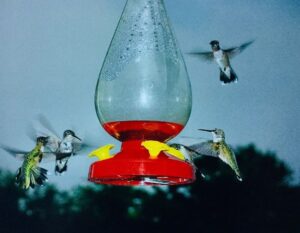
🔍 Feeder Types: Matching the Feeder to the Bird
1. Platform Feeders (The All-Rounder)
Best For: Australian King Parrots, Crimson Rosellas, larger ground-feeders like Magpies and Currawongs.
-
How They Work: An open, elevated tray.
-
Australian Advantage: King parrots and rosellas prefer a stable, open perch. It allows them to feed comfortably.
-
Downside: Exposed to weather and less aggressive birds can dominate. Requires frequent refilling and cleaning.
-
Look For: A large, sturdy tray with a mesh or slatted bottom for drainage and a wide roof for weather protection.
2. Tube Feeders (The Seed-Saver)
Best For: Smaller parrots (Eastern Rosellas), finches, Peaceful Doves, and smaller honeyeaters.
-
How They Work: A clear cylinder with feeding ports and perches.
-
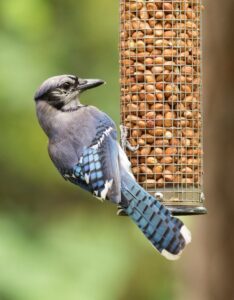 Australian Advantage: Protects seed from rain and reduces waste. Good for offering smaller seeds like finch mix or sunflower hearts.
 -
Downside: Ports and perches must be metal or very thick acrylic. Cockatoos will snap off plastic perches. Can get gummed up with wet seed.
-
Look For: Metal feeding ports and perches. A quick-release base for easy cleaning.
3. Lorikeet Nectar Feeders (The Specialist)
Best For: Rainbow Lorikeets, Scaly-breasted Lorikeets, and other nectarivores.
-
How They Work: A specially designed bottle or cup with a internal or external perch.
-
Australian Advantage: Allows you to offer sugar water nectar without drowning bees or letting other birds access it.
-
Critical: Hygiene is everything. It must be disassembled and scrubbed daily to prevent fatal bacterial growth.
-
Look For: A bee-proof design (small, targeted ports) and one you can take apart completely with a bottle brush. See our specific guide on Making Safe Sugar Water for Lorikeets.
4. Ground Feeders & Seed Trays
Best For: Superb Fairy-wrens, Willie Wagtails, Spotted Doves, and birds that naturally forage on the ground.
-
How They Work: A low, open tray, often with a mesh bottom, placed directly on the ground or lifted slightly.
-
Australian Advantage: Mimics natural foraging. Can be placed under shrub cover for shy species.
-
Downside: Highest risk from cats, rats, and predatory birds. Food can spoil quickly if wet.
-
Look For: A removable mesh tray for easy cleaning and to let debris fall through. Never use a solid bowl.
⚠️ Special Considerations for Australian Backyards
-
Deterring Aggressive Birds: If lorikeets or Noisy Miners are monopolizing your feeder, avoid open trays and suet blocks. Use tube feeders with small ports or caged feeders that exclude larger birds. Temporarily stopping all feeding can also reset the dynamic.
-
Outsmarting Cockatoos & Corellas: For seed, use weight-activated feeders (designed for large pests overseas) or bring feeders in at dusk. For fruit, offer it sparingly and on a skewer that’s hard to grab.
-
Predator-Proofing: Never place feeders near dense shrubbery where cats can hide. Ideally, place them in the open, 1.5-2 metres off the ground, on a smooth pole that cats and rats cannot climb.
-
Rodent-Proofing: Use a seed tray with a roof to keep seed dry. Never sprinkle seed directly on the ground. Bring feeders in at night or use a baffle (a dome or disc) on the pole.
🧼 The Non-Negotiable: Cleaning & Maintenance
A dirty feeder kills birds. Establish this routine:
-
Weekly (or more in wet weather): Disassemble your seed feeder. Scrub all parts with hot water and a dedicated brush. Use a vinegar solution (1 part white vinegar to 9 parts water) to disinfect. Rinse thoroughly and dry completely before refilling.
-
Daily (for Nectar Feeders): Lorikeet nectar feeders must be emptied, scrubbed, and refilled with fresh nectar every single day without exception.
-
Monthly: Do a deep clean. Soak parts in a mild bleach solution (1 part bleach to 30 parts water) for 10 minutes to kill stubborn mold and bacteria. Rinse exhaustively.
❓ Frequently Asked Questions
Q: How many feeders should I have?
A: Start with one or two. Having multiple feeders with different foods (seed in one, nectar in another) placed apart can reduce competition and aggression between species.
Q: What’s the best place to hang a feeder?
A: In a quiet, open part of your garden, about 1.5-2 metres high, on a free-standing pole or a branch well away from fences or roofs where cats can jump from. Ensure it’s visible from your window!
Q: The birds aren’t coming to my new feeder. What’s wrong?
A: Patience. It can take days or even weeks for birds to recognise a new object as a food source. Ensure it’s clean, filled with fresh food, and placed in a safe location. They will find it.
Q: Should I feed birds year-round?
A: In Australia, winter is the most beneficial time to supplement food, as natural resources are scarcer. In abundant seasons, you can reduce feeding or focus on providing water and native plants instead.
The perfect feeder is the one that keeps food safe and dry, frustrates pests, and lets you maintain it easily. By choosing wisely, you support the health of your local birds and get to enjoy their visits for years to come.
For comprehensive advice on creating a bird-friendly garden, or maybe some bird photography, visit our Backyard Bird Care & Feeding Hub.