How to Make Safe Sugar Water for Lorikeets: The Correct Recipe
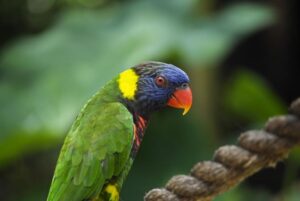 Rainbow lorikeets are spectacular visitors that bring vibrant energy to any garden. While they love native flowers, offering a sugar water nectar supplement can attract them reliably. However, getting the recipe wrong can make them very sick, or even kill them.
This guide provides the only safe, vet-approved recipe for homemade lorikeet nectar. We’ll cover the exact ingredients, the critical “never use” list, and the essential hygiene routine to keep your lorikeet friends healthy and coming back.
Related Posts
-
Hand-Feeding Lorikeets: Weighing the Pros & Cons Hand-Feeding Lorikeets: Weighing the Pros, Cons & Crucial Ethics The image of a Rainbow Lorikeet perched confidently on…
-
Can Lorikeets Eat Fruit? The Safe List (Yes & No) Can Lorikeets Eat Fruit? A Guide to Safe & Unsafe Fruits Yes, Rainbow Lorikeets can and do eat fruit,…
-
Attract Rainbow Lorikeets: Ethical Guide with Plants & Safe Food How to Attract Rainbow Lorikeets to Your Garden (The Right Way) A Living Rainbow in Your Garden The…
-
Rainbow Lorikeet Diet: Natural Food & Safe Backyard Feeding The Rainbow Lorikeet Diet: What They Eat in the Wild vs. Your Backyard More Than Just Pretty Feathers…
-
Do Lorikeets Remember Humans? The Science of Recognition Do Lorikeets Remember Humans? The Science of Avian Recognition After a few visits, the bold rainbow lorikeet at your feeder…
⚠️ First, The Critical Warnings: What NEVER to Use
Your lorikeet’s health depends on you avoiding these common but dangerous mistakes:
-
HONEY: Promotes fatal fungal growth (e.g., Candida) in their digestive tract. Never use it.
-
ARTIFICIAL SWEETENERS (Xylitol, etc.): Toxic to birds.
You Might Also Like
-
Are Lorikeets Aggressive? The Truth About Their Territorial Nature Are Lorikeets Aggressive? Understanding Their Feisty Social World Chaos at the Feeder A rainbow lorikeet feeding station often…
-
Australian Lorikeet Identification Guide: Rainbow Or What? How to Identify Australian Lorikeets: A Guide to Rainbow, Scaly-breasted & More Introduction: A Flash of Confusing Colour…
-
How Intelligent Are Lorikeets? Quite Amazing. Lorikeet Intelligence: Clever Tricks, Problem-Solving & Memory Tests 🧠 THE LORIKEET INTELLIGENCE REPORT CARD Intelligence Type Rating (1-10) Comparison…
-
-
BROWN SUGAR, MOLASSES, or GOLDEN SYRUP: Contain iron. Lorikeets cannot metabolise excess iron, leading to Iron Storage Disease, a fatal liver condition.
-
FOOD COLOURING or CORDIAL: Unnecessary chemicals that are harmful.
-
DAIRY MILK: Birds are lactose intolerant.
The only safe sweetener is plain, white table sugar (sucrose).
✅ The Safe Sugar Water Recipe (Vet-Approved)
This recipe mimics the natural sugar concentration of safe, native flowers.
Ingredients:
-
1 part plain white sugar
-
4 parts water
Equipment: A clean saucepan, a stirring spoon, a storage container (jug or bottle).
Step-by-Step Instructions:
-
Mix: Combine 1 cup of white sugar with 4 cups of cold water in a saucepan.
-
Heat & Dissolve: Gently heat the mixture while stirring until the sugar is fully dissolved. Do not boil. Boiling changes the chemical structure of the sugars, making it harder for them to digest.
-
Cool Completely: Remove from heat and let the nectar cool to room temperature. This is crucial—serving it warm or hot can cause severe crop burns.
-
Serve: Pour the cooled nectar into your clean feeder.
-
Store: Keep any unused portion in a sealed container in the refrigerator for a maximum of 48 hours.
[Menu:lorikeet]
Concentration is Key: The 1:4 ratio is perfect. A weaker mix (e.g., 1:6) lacks energy value; a stronger mix (1:2) is too rich and can cause health issues.
🧼 Feeder Hygiene: More Important Than the Recipe Itself
Dirty nectar feeders are breeding grounds for deadly bacteria like E. coli and Salmonella. Lorikeets can catch deadly diseases from a contaminated feeder.
Daily Routine:
-
Discard Old Nectar: Empty the feeder completely every single day, without fail.
-
Rinse Thoroughly: Rinse with very hot water.
Twice-Weekly Deep Clean:
-
Scrub: Use a dedicated bottle brush to scrub the feeder with a mild, bird-safe dish soap.
-
Disinfect: Soak or rinse with a white vinegar solution (1 part vinegar to 9 parts water) or a weak bleach solution (1 part bleach to 30 parts water). This kills mould and bacteria.
-
Rinse & Dry: Rinse exhaustively until no smell of vinegar or bleach remains. Air-dry completely before refilling. Dampness promotes mould.
Tip: Have two feeders. While one is being cleaned and dried, you can put out the other, ensuring you always have a clean one ready.
🍎 The Bigger Picture: Nectar is NOT a Complete Diet
Sugar water is a high-energy supplement, but it lacks protein, vitamins, and minerals. In the wild, lorikeets get these from pollen and insects found in the flowers they eat.
-
Plant Native Nectar-Rich Plants: This is the best long-term solution. Plant grevilleas, bottlebrushes (Callistemon), and banksias. They provide balanced nutrition and natural foraging behaviour.
-
Offer Safe Fruits: You can offer small amounts of chopped apple, pear, or grapes as an additional treat.
-
Consider Commercial Diets: Reputable brands offer wet or dry lorikeet specific diets that are nutritionally balanced. These are excellent if you have many regular visitors.
Learn more about their full dietary needs in our Rainbow Lorikeet Diet Guide.
❓ Frequently Asked Questions
Q: Can I make a big batch and keep it?
A: You can store cooled nectar in the fridge for 48 hours maximum. Discard any that smells fermented or looks cloudy.
Q: My lorikeets don’t finish it in one day. Do I still need to change it?
A: YES. Bacteria grow rapidly, especially in warm weather. Always empty, clean, and refresh daily, regardless of how much is left.
Q: What type of feeder is best?
A: Use a purpose-made lorikeet nectar feeder with a perch and a narrow opening to prevent bees and larger birds from accessing it. Avoid open bowls.
Q: Is it okay to feed lorikeets in winter?
A: Yes, they need energy year-round. Just be extra vigilant about the nectar not freezing in the feeder in very cold areas.
Q: What if I see a sick lorikeet near my feeder?
A: Stop feeding immediately. Take down your feeder and deep-clean it. A sick bird (fluffed up, lethargic, unable to fly) indicates a possible disease outbreak. Contact a wildlife rescue organisation.
By following this exact recipe and hygiene protocol, you can enjoy the company of these amazing birds without compromising their health. It’s a small effort for a spectacular reward.
For more on attracting and handfeeding and caring for them, visit our complete Rainbow Lorikeet Hub.