Hand-Feeding Lorikeets: Weighing the Pros, Cons & Crucial Ethics
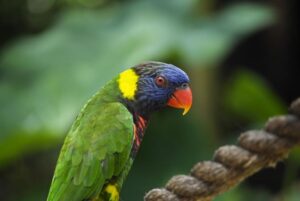 The image of a Rainbow Lorikeet perched confidently on a hand, sipping nectar, is a powerful symbol of human-wildlife connection. It feels magical. However, this practice sits in a significant ethical grey area. While it can foster a profound personal bond, it carries substantial risks for the bird that are often overlooked in the moment of wonder.
This guide doesn’t just list pros and cons; it provides the critical context to make an informed, responsible choice.
Related Posts
-
Australian Lorikeet Identification Guide: Rainbow Or What? How to Identify Australian Lorikeets: A Guide to Rainbow, Scaly-breasted & More Introduction: A Flash of Confusing Colour…
-
Are Lorikeets Aggressive? The Truth About Their Territorial Nature Are Lorikeets Aggressive? Understanding Their Feisty Social World Chaos at the Feeder A rainbow lorikeet feeding station often…
-
Safe Sugar Water for Lorikeets: The Right Recipe How to Make Safe Sugar Water for Lorikeets: The Correct Recipe Rainbow lorikeets are spectacular visitors that bring…
-
Rainbow Lorikeet Diet: Natural Food & Safe Backyard Feeding The Rainbow Lorikeet Diet: What They Eat in the Wild vs. Your Backyard More Than Just Pretty Feathers…
-
Do Lorikeets Remember Humans? The Science of Recognition Do Lorikeets Remember Humans? The Science of Avian Recognition After a few visits, the bold rainbow lorikeet at your feeder…
(Don’t get me wrong! I handfed a LOT of birds in my backyard in Dural, Sydney Australia 2001 – 2004. I used to unload more than a kilo a day of seeds in the backyard. The parents were not impressed when they returned from Germany.)
We’ll cover the real impacts on the lorikeet’s health and behaviour, the risks to you, and the non-negotiable rules if you decide to proceed.
✅ The Perceived “Pros” (The Human Perspective)
-
An Unforgettable Connection: The experience of a wild animal choosing to trust you is emotionally powerful and can deepen one’s appreciation for nature.
You Might Also Like
-
Attract Rainbow Lorikeets: Ethical Guide with Plants & Safe Food How to Attract Rainbow Lorikeets to Your Garden (The Right Way) A Living Rainbow in Your Garden The…
-
How Intelligent Are Lorikeets? Quite Amazing. Lorikeet Intelligence: Clever Tricks, Problem-Solving & Memory Tests 🧠 THE LORIKEET INTELLIGENCE REPORT CARD Intelligence Type Rating (1-10) Comparison…
-
Can Lorikeets Eat Fruit? The Safe List (Yes & No) Can Lorikeets Eat Fruit? A Guide to Safe & Unsafe Fruits Yes, Rainbow Lorikeets can and do eat fruit,…
-
-
Educational Value: For children (under strict supervision), it can be a memorable lesson in wildlife, fostering a lifelong conservation ethic.
-
Photographic Opportunity: It allows for incredibly close-up observation and photos that are otherwise impossible.
Important Caveat: These are benefits for the human. We must weigh them against the very real costs to the bird.
⚠️ The Very Real Cons & Risks (The Bird’s Perspective)
1. Health & Disease Dangers
-
Nutritional Imbalance: Lorikeets fed primarily by hand often get a diet of pure nectar or fruit, missing the crucial pollen and insects they need for protein, leading to malnutrition.
-
Fermentation & Sour Crop: Nectar spoils rapidly in warmth. If a lorikeet is fed old or poorly mixed nectar from a hand, it can cause a deadly bacterial infection in its crop.
-
Zoonotic Disease: Birds can transmit bacteria like Psittacosis (parrot fever) or Salmonella to humans through close contact or droppings.
-
Human Medication & Residue: Lotions, insect repellent, or even natural oils on human skin can be toxic to birds.
[Menu:lorikeet]
2. Behavioural Harm & Loss of Wild Nature
-
Habituation & Loss of Fear: A lorikeet that sees all humans as food sources loses its natural, life-saving caution. It may approach the wrong person (e.g., a child who grabs it) or a predator.
-
Aggression & Dependency: Hand-fed birds can become territorially aggressive around “their” human. More critically, they may fail to develop proper foraging skills, becoming dependent on unreliable human handouts.
-
Social Disruption: It can interfere with natural flock dynamics and bonding.
3. Legal & Safety Risks
-
It May Be Illegal: Many local councils have bylaws prohibiting the feeding of native wildlife, which includes hand-feeding. You could be fined.
-
Risk of Injury: A lorikeet’s beak is sharp and can deliver a painful, bleeding nip if it feels startled or competitive.
Related Reading: To understand the foundation of a safe diet, read Can Lorikeets Eat Fruit? and Safe Sugar Water for Lorikeets.
📜 The Ethical Rules: If You Choose to Proceed
If, after understanding these risks, you wish to offer food from your hand, you must follow these rules to minimize harm.
-
The Bird Must Choose. Never chase, corner, or force interaction. The bird must fly to you voluntarily, showing no signs of stress.
-
Use the Right Food & Equipment. Only offer fresh, correctly mixed nectar (1:4 sugar/water) in a dedicated, clean dish you are holding. Never offer food directly from fingers.
-
Limit Frequency & Location. Make it a rare, special event—not a daily dependency. Do it in your own private garden, never in public parks where it can create a problem.
-
Perfect Hygiene is Non-Negotiable. Wash hands before and after. Do not attempt if you are sick, or have used hand sanitizer, cream, or insect repellent.
-
Never Hand-Feed Juvenile Birds. Fledglings must learn to forage naturally from their parents and the environment. Interfering can be fatal.
🏡 The Responsible Alternative: “Hand-Off” Feeding
You can achieve a close, rewarding relationship without physical contact, eliminating most of the risks.
-
The “Trust Perch”: Establish a specific branch or feeder where you place food. Sit quietly nearby. Over weeks, move the perch incrementally closer to your sitting spot.
-
Become a Safe Landmark: Simply spend calm, quiet time in your garden while they feed at their normal stations. They will learn you are part of a safe environment.
-
Focus on Habitat: The ultimate gift is planting a native garden rich in lorikeet-friendly plants like grevilleas and bottlebrush. You become a provider of sustainable, natural food without any behavioural interference.
❓ Frequently Asked Questions
Q: Is it okay if the lorikeet just lands on me without food?
A: This is a sign of extreme habituation. While it may feel flattering, it is not safe for the bird. Gently encourage it to return to a perch or tree.
Q: What should I do if a sick-looking lorikeet approaches for food?
A: Do not feed it. A sick bird approaching humans is a major red flag. Contact a wildlife rescue organisation immediately, as it may have a contagious disease.
Q: Can hand-feeding make a lorikeet a pet?
A: No. It remains a wild animal. Any “tameness” is a dangerous loss of instinct, not domestication. It is illegal to keep native lorikeets as pets without specialised permits.
Q: What’s the one absolute rule?
A: The welfare of the bird must always come before your desire for interaction. If your action changes its natural behaviour or puts its health at risk, you should not do it.
The most profound respect we can show wild lorikeets is to admire their wildness. By providing a safe habitat and observing without demanding interaction, we become true stewards, not just sources of snacks.
For more on their complex behaviour, read our guides: Attract Lorikeets to Your garden Ethically and Do Lorikeets Remember Humans?