Cockatoo Lifespan: How Long Do These Iconic Birds Really Live?
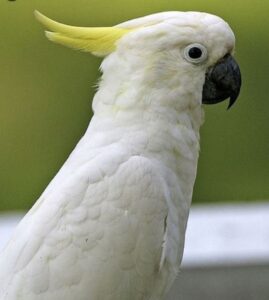 Quick Answer: Cockatoos are among Earth’s longest-living parrots. Wild cockatoos typically live 30-70 years, while captive birds often reach 50-100 years, with verified records of sulphur-crested cockatoos living over 120 years in exceptional cases. Their legendary longevity rivals elephants and tortoises, making them lifelong companions that can outlive their human caretakers.
1️⃣ The “Century Bird”: Understanding Cockatoo Longevity
When you see a sulphur-crested cockatoo screaming in your backyard or a galah flock wheeling through the sky, you’re witnessing birds that might have been born when your grandparents were young. Cockatoo lifespan regularly reaches 60-80 years, with many documented cases exceeding a century.
Related Posts
-
Are Cockatoos Protected in Australia? Laws & Penalties Are Cockatoos Protected in Australia? The Laws You Need to Know The short, unequivocal answer is yes, all cockatoos…
-
Why Cockatoos Chew Wood: Beak Biology Explained Why Do Cockatoos Destroy Wood? It’s Not Vandalism, It’s Biology The Master Carpenters You Didn't Hire If you've…
-
Why Cockatoos Scream & How Their Skull Protects Them Why Do Cockatoos Scream? (And the Amazing Reason It Doesn't Deafen Them) The Screech That Defies Anatomy Cockatoos…
-
Cockatoo Family Guide: Sulphur-crested vs Corella vs Galah Cockatoo Family: Sulphur-crested, Corella, Galah - Who's Who in the White (and Pink) Parade? You hear the unmistakable…
-
Cockatoo Intelligence: Mind-Blowing Problem-Solving Cockatoo Intelligence Unlocked: The Problem-Solving Feats of Avian Einsteins More Than JUST a Pretty Crest Beyond the raucous…
This extraordinary longevity explains why people constantly ask: “How long do cockatoos live?” The answer varies dramatically by species, environment, and care. A galah in suburban Sydney faces different challenges than a yellow-tailed black cockatoo in Tasmanian forests, yet both share the potential for multi-decade lives that connect generations of Australians.
What makes cockatoos so long-lived? Their intelligence, social complexity, slow metabolism, and relatively few natural predators create a perfect recipe for exceptional longevity in the bird world.
2️⃣ Average Lifespan by Species: From Galahs to Giants
Not all cockatoos enjoy equal lifespans. Here’s how Australia’s most common species compare:
You Might Also Like
-
Cockatoo Flock Communication: Decoding Their Social Signals Cockatoo Flock Communication: Decoding the Screech, the Chatter & the Secret Language The Flock is a Network, Not…
-
What Do Cockatoos Eat in the Wild? The Diet of Australia’s Giants What Do Cockatoos Eat in the Wild? The Real Diet of Australia's Giants When you see a Sulphur-crested…
-
Sulphur-Crested Cockatoo Behaviour: Complete Guide & Insights Sulphur-Crested Cockatoo Behaviour: The Complete 2026 Guide Quick Answer: Sulphur-crested cockatoos (Cacatua galerita) display complex behaviours including ear-piercing screaming…
-
Cockatoo Roof Damage: How to Identify, Repair & Stop It Cockatoo Damage to Roofs: A Homeowner's Guide to Identification, Repair & Prevention You hear the scraping and gnawing…
📊 Cockatoo Lifespan Comparison Table (2026 Data)
| Species | Lifespan (Wild) | Lifespan (Captivity) | Key Factors Affecting Longevity |
|---|---|---|---|
| Sulphur-crested Cockatoo | 40–70 years | 70–100+ years | High intelligence, adaptable, few predators |
| Galah | 30–50 years | 40–60 years | Urban adaptation, social, moderate size |
| Little Corella | 20–40 years | 40–60 years | Ground feeding = higher predation risk |
| Yellow-tailed Black Cockatoo | 40–60 years | 50–80 years | Forest specialist, threatened habitat |
| Glossy Black Cockatoo | 50–60 years | 60–70 years | Specialised diet, conservation-dependent |
| Major Mitchell’s Cockatoo | 40–50 years | 50–70 years | Arid zone specialist, beautiful but vulnerable |
| Red-tailed Black Cockatoo | 40–55 years | 50–75 years | Northern specialist, she-oak dependent |
Why These Differences Exist:
Sulphur-crested Cockatoos win the longevity prize due to:
-
High intelligence: Problem-solving helps avoid dangers
-
Urban adaptation: Learn to thrive near humans
-
Social learning: Elders teach survival skills
-
Few natural predators: Large size deters most threats
Little Corellas have shorter wild lifespans because:
-
Ground feeders: More vulnerable to foxes/cats
-
Agricultural pests: Often targeted by farmers
-
Flock size: Large groups attract attention
Black Cockatoos face different challenges:
-
Habitat specialists: Dependent on specific forests
-
Slow breeders: Population recovery is difficult
-
Conservation status: Several species are threatened
[Menu:cockatoo]
3️⃣ Five Key Factors That Determine Cockatoo Lifespan
1. Diet & Nutrition: The Foundation of Longevity
Proper nutrition is the single biggest factor in cockatoo lifespan. Wild cockatoos eating varied natural diets often outlive captive birds fed improper seed-only diets. A balanced diet including nuts, seeds, fruits, and insects provides essential nutrients missing in commercial seed mixes.
Nutritional pitfalls that shorten lifespan:
-
Seed-only diets: Lead to obesity, fatty liver disease
-
Vitamin A deficiency: Common in pet cockatoos
-
Calcium imbalance: Causes brittle bones, egg-binding
-
Toxic foods: Avocado, chocolate, caffeine can kill
Learn more about proper nutrition in our guide: What Do Cockatoos Eat in the Wild?
2. Environment: Wild Threats vs Captive Safety
Wild cockatoos face:
-
Predators: Wedge-tailed eagles, goannas, pythons
-
Human threats: Cars, power lines, illegal shooting
-
Habitat loss: The #1 threat to black cockatoos
-
Climate extremes: Heatwaves, drought, bushfires
Captive cockatoos benefit from:
-
Predator-free environments
-
Consistent veterinary care
-
Climate-controlled housing
-
Regular, balanced meals
3. Social Structure: Flock Life Matters
Cockatoos are profoundly social. Isolation stresses them, shortening lifespan through:
-
Chronic stress: Suppresses immune system
-
Feather-plucking: Self-mutilation from loneliness
-
Reduced mental stimulation: Boredom affects health
Wild flocks provide:
-
Safety in numbers: More eyes watch for predators
-
Social learning: Young learn from elders
-
Cooperative foraging: More efficient food finding
4. Species-Specific Genetics
Some species are simply built to last longer:
-
Larger species generally outlive smaller ones
-
Forest specialists often live longer than grassland birds
-
Intelligent species survive better through adaptation
5. Human Care Quality
The difference between a 60-year and 100-year captive cockatoo often comes down to:
-
Preventative veterinary care
-
Appropriate housing and space
-
Mental enrichment and stimulation
-
Social interaction (with humans or other birds)
4️⃣ Wild vs Captive: Two Different Life Journeys
The Wild Cockatoo Experience
Wild cockatoos live lives of freedom with risk. Their lifespan represents a remarkable survival achievement against:
-
First-year mortality: 40-60% of chicks don’t survive
-
Adolescent challenges: Learning to avoid cars, predators
-
Adult threats: Habitat loss, climate change, human conflict
Remarkable wild longevity records:
-
“Cocky” the sulphur-crested: Banded in 1950s, still seen in Sydney 60+ years later
-
Black cockatoo matriarchs: Documented leading flocks for 40+ years
-
Urban survivors: Birds adapting to cities often outlive bush counterparts
The Captive Cockatoo Advantage
Captive cockatoos trade freedom for security and care, often reaching extraordinary ages:
Verified captive longevity records:
-
“Cookie” the Major Mitchell’s: Lived 83 years at Brookfield Zoo, USA
-
“Cocky Bennett” (legendary): Reportedly lived 120+ years in 1800s Australia
-
Modern zoo records: Regular reports of 70-90+ year old cockatoos
Why captivity extends life:
-
No starvation: Regular, balanced feeding
-
Medical intervention: Treats diseases that would be fatal in wild
-
Predator protection: Safe enclosures
-
Extreme weather shelter: Protected from heat/cold stress
The “Best of Both” Scenario
Increasingly, urban-adapted wild cockatoos are achieving near-captive lifespans by:
-
Learning to avoid cars and predators
-
Using human food sources (responsibly provided)
-
Benefiting from urban heat islands in winter
-
Accessing water during drought
5️⃣ Frequently Asked Questions (FAQs)
Q: Can cockatoos really live 100 years?
A: Yes, multiple verified records exist of cockatoos reaching 100+ years, particularly sulphur-crested cockatoos in captivity. These are exceptional cases requiring optimal care, but 70-90 years is increasingly common for well-cared-for captive birds.
Q: Do all cockatoo species live the same length?
A: No, lifespan varies significantly. Sulphur-crested cockatoos are the longevity champions (40-100+ years), while little corellas typically live 20-60 years. Black cockatoos fall in the middle, with 40-80 year ranges depending on species and conservation status.
Q: Which cockatoo lives the longest?
A: The sulphur-crested cockatoo holds the longevity record, with multiple individuals documented living over 100 years. Their combination of intelligence, adaptability, and size gives them the edge over other species.
Q: Does diet really affect cockatoo lifespan that much?
A: Absolutely. Nutrition is the #1 controllable factor in cockatoo longevity. Birds fed balanced diets with appropriate vitamins and minerals can live 20-30 years longer than those on poor seed-only diets. Proper nutrition prevents obesity, organ disease, and metabolic disorders.
For complete diet information: What Do Cockatoos Eat? Complete Guide
Q: Do captive cockatoos always outlive wild ones?
A: Generally yes, but with important exceptions. Well-cared-for captive cockatoos typically live longer due to veterinary care and safety. However, neglected or improperly kept captive birds may have shorter, unhealthier lives than their wild counterparts. Quality of care matters more than captivity itself.
Q: How can I tell a cockatoo’s age?
A: Exact aging is difficult in adults. Juvenile cockatoos have darker eyes and different plumage that changes over 2-4 years. In adults, signs of aging include:
-
Gradual lightening of eye color (very old birds)
-
Increased arthritis or mobility issues
-
Wear on beak and nails
-
Reduced vocalization or activity
Q: Are there any 200-year-old cockatoos?
A: No verified records exist of 200-year-old cockatoos. The 120-year claims from the 1800s lack documentation by modern standards. Based on biological limits and verified records, the maximum plausible cockatoo lifespan appears to be 100-120 years under ideal conditions.
6️⃣ Practical Takeaways for Cockatoo Encounters
If Cockatoos Visit Your Garden:
-
Appreciate their age: That sulphur-crested might be 40+ years old
-
Provide safe foods: If feeding, offer native nuts, not bread
-
Protect from hazards: Ensure no access to toxic plants/chemicals
-
Respect their wisdom: Older birds teach younger ones
If Considering a Pet Cockatoo:
-
Plan for decades: These are 40-80 year commitments
-
Budget for care: Veterinary costs accumulate over decades
-
Prepare your estate: Who will care for your bird if you can’t?
-
Research species: Different cockatoos have different needs and lifespans
Supporting Wild Cockatoo Longevity:
-
Protect habitat: Especially crucial for black cockatoos
-
Report illegal activity: Shooting or trapping reduces populations
-
Support conservation: Organizations working on cockatoo protection
-
Create safe spaces: Plant native food trees, provide clean water
7️⃣ The Legacy of Long-Lived Birds
Cockatoo lifespan represents one of nature’s most remarkable achievements. These birds form multi-generational bonds, pass down cultural knowledge through flocks, and serve as living connections to Australia’s ecological past.
When you next hear a cockatoo’s raucous call, remember: you might be listening to a bird that:
-
Witnessed the 2000 Sydney Olympics as a juvenile
-
Survived the 2019-2020 bushfires
-
Has outlived several Australian Prime Ministers
-
Will potentially see climate change impacts into the 2060s
Their longevity is both a gift and a responsibility. As we shape Australia’s environment, we’re deciding what world these century-spanning birds will inherit.
Further Reading: