Cockatoo Flock Communication: Decoding the Screech, the Chatter & the Secret Language
The Flock is a Network, Not Just a Crowd
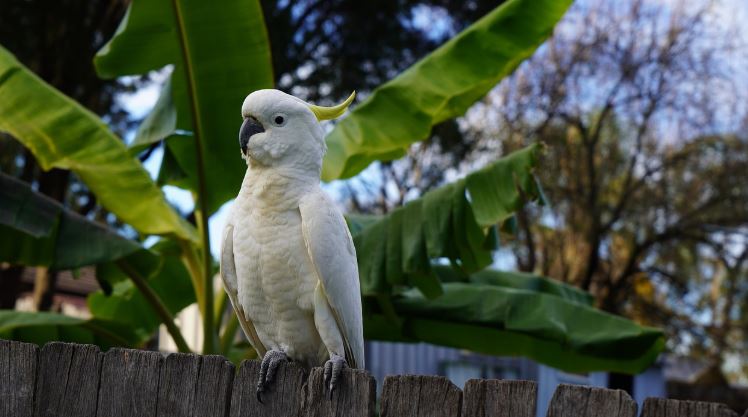 To the untrained ear, a cockatoo flock is a chaotic symphony of screeches. But within that noise is one of the animal kingdom’s most sophisticated communication systems. A sulphur-crested cockatoo flock isn’t just a group of birds; it’s a dynamic, decision-making network. Each call is a packet of data, and every bird is a node in a living, squawking internet. Understanding their language is to understand how a hundred individuals move, feed, and survive as one.
Part 1: The Call Catalogue – More Than Just Noise
Cockatoos have a rich vocal repertoire. Each call serves a distinct function, honed by evolution for survival in a complex social world.
Related Posts
-
Why Cockatoos Scream & How Their Skull Protects Them Why Do Cockatoos Scream? (And the Amazing Reason It Doesn't Deafen Them) The Screech That Defies Anatomy Cockatoos…
-
Cockatoo Family Guide: Sulphur-crested vs Corella vs Galah Cockatoo Family: Sulphur-crested, Corella, Galah - Who's Who in the White (and Pink) Parade? You hear the unmistakable…
-
Sulphur-Crested Cockatoo Behaviour: Complete Guide & Insights Sulphur-Crested Cockatoo Behaviour: The Complete 2026 Guide Quick Answer: Sulphur-crested cockatoos (Cacatua galerita) display complex behaviours including ear-piercing screaming…
-
What Do Cockatoos Eat in the Wild? The Diet of Australia’s Giants What Do Cockatoos Eat in the Wild? The Real Diet of Australia's Giants When you see a Sulphur-crested…
-
Cockatoo Intelligence: Mind-Blowing Problem-Solving Cockatoo Intelligence Unlocked: The Problem-Solving Feats of Avian Einsteins More Than JUST a Pretty Crest Beyond the raucous…
| Call Type | The Sound & Context | What It Means (The “Translation”) |
|---|---|---|
| Contact Call | The iconic, long, carrying “screech-screech-screech”, especially at dawn & dusk. | “I’m here! Where is everyone?” / “Flock, assemble here!” Used for maintaining group cohesion over long distances. |
| Alarm Call | A sharp, piercing, staccato “KRAK! KRAK! KRAK!” Often accompanied by a flash of the crest and takeoff. | “DANGER! Hawk! Human! Run!” An urgent, immediate threat warning that triggers instant, coordinated evasion. |
| Food Call | Excited, chattering screeches mixed with softer whistles around a food source (a tree, a bin). | “Food here! Lots of it! Come join!” Recruits other flock members to a profitable foraging site. |
| Flight Call | A specific series of notes given just as the flock is about to take off. | “We’re leaving NOW! Follow me!” Coordinates mass movement and maintains formation in flight. |
| Social Chatter | The complex, lower-volume mix of whistles, mutters, and mimicry when perched and grooming. | Social bonding, pair communication, “conversation.” The equivalent of humans chatting around a water cooler. |
| Aggressive/Threat Call | A harsh, guttural screech combined with a raised crest, open beak, and swaying. | “Back off! This is my branch/food/mate!” Used in disputes over resources or personal space. |
Part 2: The “Group Mind” – How Communication Drives Collective Intelligence
This is where their individual genius meets social sophistication. Communication enables the flock to act with a collective intelligence that far surpasses any single bird.
-
Democratic Decision-Making: Studies suggest that a flock’s departure time isn’t dictated by a single leader. It’s a quorum sensing process. As more individuals give the “flight call,” it reaches a threshold that triggers the entire group’s takeoff—a form of avian democracy.
-
Cultural Transmission of Knowledge: This is their most famous intellectual feat. When one innovative cockatoo in Sydney learns to open a specific type of bin lid, it doesn’t keep that behaviour a secret. Others observe, learn, and imitate. This learned behaviour then spreads geographically like a meme, passed down to younger generations. It’s not instinct; it’s culture, enabled by observation and vocal coordination.
You Might Also Like
-
Are Cockatoos Protected in Australia? Laws & Penalties Are Cockatoos Protected in Australia? The Laws You Need to Know The short, unequivocal answer is yes, all cockatoos…
-
Cockatoo Roof Damage: How to Identify, Repair & Stop It Cockatoo Damage to Roofs: A Homeowner's Guide to Identification, Repair & Prevention You hear the scraping and gnawing…
-
Why Cockatoos Chew Wood: Beak Biology Explained Why Do Cockatoos Destroy Wood? It’s Not Vandalism, It’s Biology The Master Carpenters You Didn't Hire If you've…
-
Cockatoo Lifespan: How Long Do Cockatoos Live? (2026 Guide) Cockatoo Lifespan: How Long Do These Iconic Birds Really Live? Quick Answer: Cockatoos are among Earth's longest-living parrots.…
-
-
Sentinel Duty & Shared Security: While feeding, some individuals will take a higher perch, actively watching for threats. Their specific alarm call allows the feeding birds to trust in the system and eat efficiently, demonstrating role specialisation and trust.
Part 3: The Physical Signals – It’s Not All About Sound
Their communication is a full-body performance.
-
Crest Position: A raised, fanned crest can mean high arousal—excitement, alarm, or aggression. A sleeked-down crest indicates calm or submission.
-
Wing Position & Posture: A hunched posture with slightly spread wings can be a threat display. A relaxed, fluffed-up bird is content.
-
Blushing: Some cockatoo species have bare cheek patches that can flush with blood, indicating emotional arousal, visible to flock mates even at a distance.
Part 4: Listening Like a Cockatoo – A Guide for the Observer
Next time you hear a flock, don’t just hear noise. Decode it:
-
Dawn/Dusk Racket? That’s the daily “roll call” and logistics meeting as they organise for the day or find a roost.
-
Sudden Screeching & Mass Takeoff? You likely triggered an “alarm call” chain reaction. Look for a perched hawk or assess your own presence.
-
Loud, Concentrated Chatter in One Tree? You’ve found a “food call” party. They’re feasting and inviting others.
-
Low, Conversational Muttering? You’re hearing the social glue that holds pairs and the flock together.
Conclusion: A Language of Survival and Society
The cockatoo’s world is built on a constant, flowing exchange of information. Their calls are the threads that weave a scattered group into a responsive, intelligent collective capable of exploiting resources and evading threats in a challenging landscape.
Their communication is the ultimate expression of their intelligence—social, adaptive, and brilliantly loud.
Want to understand the genius of the individual behind the call? Explore our deep dives: Cockatoo Intelligence & Problem-Solving and the biological reasons for Why Cockatoos Scream. Also familiarise yourself with the different types of cockatoos in this country.
Hear a call you can’t identify? Describe it in the comments!