Lorikeet vs. Rosella: Backyard Rivals?
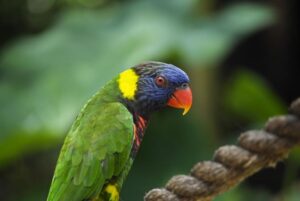 Picture your bird feeder. The Rainbow Lorikeets arrive like a boisterous sports team, chattering and jostling.
 Moments later, a pair of elegant Crimson Rosellas lands at the edge, only to be swiftly chased away by the bright-green blurs. This is a classic Australian backyard drama, but is it a true rivalry?
The short answer is not a fair fight. Lorikeets and rosellas have fundamentally different strategies for life, and at a shared feeder, the lorikeet’s aggressive, social nature almost always wins. Understanding this clash of temperaments is the key to managing your garden for both species. There are intelligence differences too: While lorikeets excel at social puzzles, rosellas demonstrate specialized survival intelligence.
Related Posts
-
Parrots in Your Backyard with Dogs or Cats: A Safe Guide You Want Parrots in Your Backyard, But You Have Dogs or Cats The dream of colourful parrots visiting…
-
Backyard Bird Water Bowls: A Complete Setup Guide Do Backyard Birds Need Water Bowls? Your Complete Setup Guide While much focus is on feeding birds, providing…
-
Can You Keep Native Australian Birds as Pets? Why You Can't Keep Native Australian Birds as Pets (And What's Actually Allowed) That moment of connection with…
-
Can Birds Eat Bread? Why It’s Harmful & Safe Foods Can Birds Eat Bread? The Truth About This Common Practice Feeding ducks at the pond or tossing crusts…
-
What Can Birds Eat? Safe Foods & Toxic Dangers for Australian Backyard Birds What Can Birds Eat? Your Safe & Toxic Food Guide for Australian Backyard Birds The Well-Meaning Mistake We…
⚔️ The Clash of Personalities: Why Lorikeets Dominate
This isn’t about hatred; it’s about instinct, evolution, and different ways of surviving.
| Trait | Rainbow Lorikeet | Crimson/Eastern Rosella | Result at the Feeder |
|---|---|---|---|
| Social Structure | Highly social, flock-oriented. Strength in numbers. | Solitary or paired. Quiet, private foragers. | Lorikeets overwhelm by sheer presence and coordinated movement. |
| Foraging Style | Aggressive, opportunistic. Claim and defend rich resources. | Cautious, shy. Prefer to grab and go, avoiding conflict. | Rosellas hesitate; lorikeets seize the moment and the space. |
| Communication | Constant, loud screeching and chattering. Used to coordinate the flock and assert presence. | Soft, melodic whistles and chatter. Used for contact between pairs, not mob defence. | Lorikeet noise alone can deter the quieter rosella. |
| Primary Motivation | Immediate resource acquisition and social status within the flock. | Safety and avoiding confrontation. | The lorikeet’s drive to “win” the food is simply stronger than the rosella’s drive to avoid a fight. |
In essence: The lorikeet is the extroverted, pushy competitor. The rosella is the introverted, cautious artist. Put them in competition for the same prize, and the competitor will dominate every time. See how Lorikeets and Rosellas stack up in intelligence.
[Menu:rosella,lorikeet]
You Might Also Like
-
Backyard Bird Care: Essential Feeding, Water & Habitat Guide Backyard Bird Care & Feeding: Your Essential Australian Guide The Joy & Responsibility Welcoming birds into your backyard…
-
Common Bird Calls & Meanings: Decode Australian Songs Common Backyard Bird Calls & What They Mean That chorus outside your window isn't just noise—it's a complex…
-
When to Stop Feeding Birds? An Australian Seasonal Guide When to Stop Feeding Birds: An Australian Seasonal Guide A common question from caring bird lovers is, "When…
-
Shelter for Backyard Birds: Create Safe Habitat Shelter for Backyard Birds: Creating Safe Habitat with Native Plants Food and water will attract birds, but shelter is what…
-
Backyard Bird Photography: Beginner Tips from Your Window Backyard Bird Photography Tips for Beginners: From Your Window You don't need a giant lens or a trip…
This dynamic is a perfect example of animal behaviour you can observe. For a deeper look at the lorikeet’s aggressive side, see our guide: Are Lorikeets Aggressive?
🌿 It’s Not Just Temperament: They’re Built for Different Menus
The conflict is worsened because we often offer food that suits lorikeets better.
-
Lorikeets are Specialists: Their tongues are adapted with brush-tips to collect nectar and pollen. They seek liquid, sugary, soft foods.
-
Rosellas are Generalists: Their beaks are perfect for crushing and hulling seeds. They seek dry seeds, grasses, and some fruits.
The Common Mistake: Putting out a seed mix with sunflower seeds attracts rosellas. But if that mix is in an open tray, lorikeets will also swarm it for the easy energy, bullying the rosellas away from their own preferred food.
✅ The Peace Treaty: How to Feed Both in Your Garden
You can enjoy both species by catering to their differences and separating their dining areas.
1. Separate the Diners (The Most Effective Tactic)
-
For Rosellas: Use a dedicated tube feeder or a ground tray filled with a quality Australian parrot seed mix (sunflower seeds, hulled oats, canary seed). Place it in a quieter, more sheltered part of the garden.
-
For Lorikeets: Use a specialist lorikeet nectar feeder (with bee guards) in a more open, prominent spot. Offer only proper nectar or commercial wet mix. Never put nectar or fruit in the rosella’s seed area.
2. Offer Different Food, at Different Times
-
Rosella Breakfast: Put out rosella seed early in the morning before lorikeet activity peaks.
-
Lorikeet Luncheon: Offer fresh nectar mid-morning. Clean the feeder daily without fail.
-
Strategic Native Planting: This is the ultimate solution. Plant grevilleas and callistemons for lorikeets. Allow a patch of native grasses to seed for rosellas. They will naturally forage apart.
3. Use Feeder Design to Deter Bullies
-
Caged Feeders: A seed feeder surrounded by a wire cage (with gaps large enough for rosellas but too small for lorikeets) can give rosellas a safe zone.
-
Avoid Open Platforms: Open buffets are lorikeet territory. Use feeders with limited, smaller ports.
🚫 What NOT to Do
-
Do NOT try to scare the lorikeets away. It’s stressful, ineffective, and unsustainable.
-
Do NOT stop feeding altogether if you want to help the rosellas. Simply change how and where you feed.
-
Do NOT use one feeder for mixed food. It’s a recipe for conflict and unhealthy diets for both.
❓ Frequently Asked Questions
Q: Will the rosellas ever fight back?
A: Rarely. Their instinct is to flee, not fight. A paired couple might hold a small patch against one lone lorikeet, but they will almost always retreat from a flock.
Q: Are other birds affected by this rivalry?
A: Yes. Lorikeet dominance can also push away smaller honeyeaters, doves, and even larger but more passive birds like king parrots. Managing lorikeet aggression benefits garden biodiversity.
Q: Is this bullying harmful to the rosellas?
A: In the short term, it causes stress and prevents access to food. In the long term, if a garden is completely dominated by lorikeets, rosellas may abandon it as a feeding territory. Your intervention can prevent this.
Q: Who would win, a cockatoo or a lorikeet?
A: At a feeder, a Sulphur-crested Cockatoo’s sheer size and confidence easily displaces lorikeets. The lorikeet flock might shriek from a nearby tree, but they won’t challenge the cockatoo directly. It’s a hierarchy.
Creating a multi-species garden is about clever zoning, not forcing friendship. By appreciating their differences and setting up your garden accordingly, you can enjoy the vibrant chaos of the lorikeets and the serene beauty of the rosellas—just maybe not at the same exact moment.
Inspired to attract rosellas? Start with our guide: How to Attract Rosellas to Your Garden. To understand the lorikeet mind, read: Do Lorikeets Remember Humans?.