Rosella Calls & Sounds: The Language of Australia’s Coloured Parrots
If Rainbow Lorikeets are the screaming rock stars of the Australian parrot world, and Sulphur-crested Cockatoos are the heavy metal shredders, then rosellas are the folk musicians—playing gentle, melodious tunes that whisper through the trees rather than dominate the soundscape.

Related Posts
-
Rosella Seasonal Movement: Do They Migrate or Stay Put? Rosella Seasonal Movement: The "Local Nomads" vs. King Parrot "Altitude Migrants" If you've read our guide on King Parrot…
-
Are Rosellas Shy? Why These Colorful Parrots Are Cautious Are Rosellas Shy? Understanding the Cautious Nature of Australia's Colorful Parrots A Paradox of Colour and Caution With…
-
Attract Rosellas to Your Garden: Ethical Food Tips How to Attract Rosellas to Your Australian Garden (The Right Way) Beyond the Bird Feeder The sight of…
-
Can You Hand-Feed Rosellas? A Guide to Ethics & Building Trust Can Rosellas Be Hand-Fed? The Responsible Guide to Trust & Risk The Temptation and the Truth The image…
-
Rosellas in Our Garden: A 3-Year Success Story Rosellas in Suburban Gardens: How We Created a Crimson & Eastern Haven For years, we'd only see the flash…
Understanding rosella calls transforms you from a casual listener to a fluent interpreter of their daily dramas. That soft “chit-chit-chit” isn’t just noise—it’s a conversation. That sharp “kik-kik-kik!” isn’t random—it’s an alarm. This guide decodes their vocal repertoire, helping you identify not just that you’re hearing a rosella, but exactly what they’re communicating.
🎵 The Rosella Sound Palette: Softer Than You Expect
First, adjust your expectations. Coming from lorikeet territory, you might strain to hear rosellas at all. Their calls are:
-
Higher pitched than king parrots’ mellow whistles
You Might Also Like
-
Are Rosellas Intelligent? Yes, But Not Like Cockatoos Are Rosellas Intelligent? (The Truth About Their Cleverness) THE QUICK ANSWER: Yes, rosellas are intelligent - but not…
-
Crimson vs Eastern Rosella: How to Tell Them Apart Easily A Classic Case of Mistaken Identity The flash of red, green, and blue in your garden could be…
-
What Do Rosellas Eat? (Safe Seeds, Fruits & Foods to Avoid) What Do Rosellas Eat in the Wild? A Look at Their Natural Diet The quiet crimson rosella foraging on a…
-
-
More musical than cockatoos’ raucous screeches
-
Softer and quicker than most other common parrots
-
Often described as “liquid” or “tinkling” notes
If lorikeets shout and king parrots converse, rosellas whisper secrets.
🤔 But Can Rosellas Talk or Mimic Speech?
This is a common question from people used to pet parrots that mimic. The short answer is no—rosellas cannot talk or mimic human speech. Unlike sulphur-crested cockatoos, African greys, or even some rainbow lorikeets that can learn words and sounds, rosellas have zero mimicry ability.
Why not? It’s not about intelligence—it’s about evolutionary purpose. Rosella calls are hardwired for survival in the wild: contact calls, alarms, flock coordination. They never evolved the complex vocal learning apparatus that some parrot species developed.
If you hear a “rosella” saying “Hello” or whistling a tune, you’re almost certainly hearing:
-
A different parrot species (likely a escaped pet cockatoo or lorikeet)
-
Someone’s imagination (their natural calls can sound vaguely “speech-like” at a distance)
-
Rare audio pareidolia (like seeing faces in clouds)
[Menu:rosella]
The beauty of rosellas is in their authenticity. They won’t perform tricks or repeat your words, but they’ll give you an honest, unfiltered connection to wild Australia through their natural, beautiful calls.
Crimson Rosella vs King Parrot Calls: Hear the Difference
If king parrot calls are clear announcements (“I’m here!”), crimson rosella sounds are quiet conversations (“Are you there?”). While both are Australian parrots, their vocal styles couldn’t be more different. Press play below to hear the rosella’s soft, musical chatter, then compare it to the king parrot’s bold whistle in our sound library. One commands attention; the other invites closer listening.
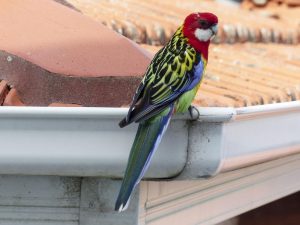
🔍 Crimson vs. Eastern Rosella Calls: Can You Tell the Difference?
| Call Type | Crimson Rosella | Eastern Rosella |
|---|---|---|
| Contact Call | Clear, bell-like “chwit-chwit” or “plee-plee” in pairs or trios | Softer, more rapid “chit-chit-chit-chit” in a quicker stream |
| Alarm Call | Sharp, metallic “kik-kik-kik!” rising in intensity | Similar sharp notes but slightly higher pitched “tink-tink-tink!” |
| Flight Call | “Chillip-chillip” — a distinctive two-syllable call while flying | Faster, less distinct chattering while in flight |
| Feeding Sounds | Very soft, almost inaudible “tup-tup” murmurs | Similar quiet social sounds |
| Best Description | “Bell notes in the forest” | “Running water over pebbles” |
Pro Tip: Location is your best clue. In tall mountain forests? Likely Crimson. In open woodlands or suburban parks? Likely Eastern.
🗣️ Decoding Common Rosella Calls
1. The Contact Call: “I’m Here, Where Are You?”
-
 Sound:
 chwit-chwitorchit-chit-chit -
Context: Paired birds keeping in touch while foraging apart
-
What it means: “All clear here, still feeding, stay in touch”
-
Your response: If you mimic this softly, you might get a reply (but don’t overdo it)
2. The Alarm Call: “Danger! Take Cover!”
-
Sound: Sharp, repetitive
kik-kik-kik-kik! -
Context: Hawk overhead, cat spotted, sudden movement
-
What happens: Immediate silence from all birds, then flushing to cover
-
Listen for: This call often comes from a sentinel bird watching from a high perch
3. The Flight Call: “We’re Moving, Follow Me!”
-
Sound:
chillip-chillip(Crimson) or rapid chattering (Eastern) -
Context: Whole flock preparing to move to new feeding area
-
What to watch: They’ll often circle once or twice before committing to direction
4. The Feeding Murmur: “This is Good, Peaceful Eating”
-
Sound: Almost inaudible soft clicks and murmurs
-
Context: Whole family group feeding safely
-
When you hear it: You’re privileged—they feel secure enough to relax and chat
🆚 How Rosella Calls Compare to Other Backyard Birds
| Bird | Volume | Musicality | Purpose | Best Time to Hear |
|---|---|---|---|---|
| Rosella | Soft (3/10) | High – melodic notes | Contact, subtle alarms | Early morning, quiet hours |
| King Parrot | Moderate (5/10) | Medium – gentle whistles | Contact, location | Dawn, dusk, winter |
| Rainbow Lorikeet | Loud (9/10) | Low – screeches, squawks | Aggression, flock coordination | All day, especially at feeders |
| Sulphur-crested Cockatoo | Very Loud (10/10) | None – raucous screeches | Flock movement, territory | Sunrise, sunset, when destroying something |
🎧 When and Where to Listen for Rosellas
Best Times:
-
Early Morning (first light): Contact calls as pairs reunite
-
Late Afternoon: Pre-roosting communication
-
After Rain: Increased activity and calling
Best Locations:
-
Forest Edges: Where they feel secure but can access open areas
-
Tall Trees Near Clearings: Their favourite sentinel posts
-
Your Garden (if near bushland): Listen for soft contact calls as they arrive
Secret Tip: Rosellas often call more before bad weather. If you hear increased activity on a changing day, rain might be coming.
🤫 The Rosella “Silence” – What It Means
Sometimes the most telling sound is no sound at all. Rosellas fall completely silent when:
-
A predator is nearby
-
They’re nesting (parents are stealthy)
-
They’re in unfamiliar territory
-
It’s extremely hot (midday heat)
If your regular visitors go quiet, scan the trees for hawks or check if a cat is prowling.
❓ Frequently Asked Questions
Q: Can rosellas mimic speech or sounds like some parrots?
A: No. Unlike cockatoos or lorikeets (which can learn some sounds), rosellas don’t mimic. Their calls are entirely innate. This makes them less “entertaining” as potential pets but fascinating as wild communicators.
Q: Why are rosellas so much quieter than lorikeets?
A: Survival strategy. Rosellas are naturally shy, cautious birds. Loud calls attract predators. Their soft calls allow communication while maintaining a low profile—perfect for birds that rely on camouflage and quick escape.
Q: Do male and female rosellas sound different?
A: To human ears, not noticeably. Their calls are very similar, though experienced observers note males may call slightly more frequently during breeding season.
Q: What does it mean if a rosella is making the alarm call in my garden?
A: Stop and look. There’s likely a predator nearby—a cat, hawk, or snake. The rosella is risking exposure to warn its flock (and inadvertently, all other birds nearby).
Q: Can I attract rosellas by playing their calls?
A: We don’t recommend it. Playback can stress birds, disrupt their natural behaviour, and may attract predators to the sound source. Better to attract them with native plants and quiet observation.
🎶 Your New Ears: From Listener to Interpreter
Tomorrow morning when you hear that soft chwit-chwit from the gum tree, you’ll know: that’s not just “a bird.” That’s a crimson rosella telling its mate “I’m here in the casuarina, the seeds are good.”
You’re not just hearing sounds anymore—you’re understanding conversations. And in the quiet world of rosellas, being let in on the conversation is a special privilege.
📚 Related Reading
-
Crimson vs. Eastern Rosella Identification – Match the call to the bird
-
Are Rosellas Shy? Understanding Their Behaviour – Why they’re so quiet
-
King Parrot Calls & Sounds – Compare their gentler whistles
-
How to Attract Rosellas to Your Garden – Make your space listening-friendly
Listen closely. The forest is whispering its secrets.