Rosella Seasonal Movement: The “Local Nomads” vs. King Parrot “Altitude Migrants”

If you’ve read our guide on King Parrot Seasonal Behaviour, you know these red-and-green parrots perform a dramatic altitudinal migration—moving up to the mountains to breed in summer and descending to gardens in winter. This leads to the natural question: do their crimson and eastern cousins, the rosellas, follow similar seasonal patterns?
The answer reveals a fascinating contrast in survival strategies. While king parrots are altitudinal migrants, rosellas are better described as local nomads or seasonal opportunists. Their movements are less predictable, more localized, and driven by different factors.
Related Posts
-
Attract Rosellas to Your Garden: Ethical Food Tips How to Attract Rosellas to Your Australian Garden (The Right Way) Beyond the Bird Feeder The sight of…
-
Rosella Calls & Sounds: Decoding Their Melodious Chirps Rosella Calls & Sounds: The Language of Australia's Coloured Parrots If Rainbow Lorikeets are the screaming rock stars of the…
-
Crimson vs Eastern Rosella: How to Tell Them Apart Easily A Classic Case of Mistaken Identity The flash of red, green, and blue in your garden could be…
-
Are Rosellas Shy? Why These Colorful Parrots Are Cautious Are Rosellas Shy? Understanding the Cautious Nature of Australia's Colorful Parrots A Paradox of Colour and Caution With…
-
Are Rosellas Intelligent? Yes, But Not Like Cockatoos Are Rosellas Intelligent? (The Truth About Their Cleverness) THE QUICK ANSWER: Yes, rosellas are intelligent - but not…
🗺️ Rosella vs. King Parrot: Movement Comparison
| Aspect | Australian King Parrot | Crimson/Eastern Rosella |
|---|---|---|
| Primary Pattern | Altitudinal Migration (predictable, seasonal) | Local Nomadism (opportunistic, irregular) |
| Summer (Sep-Feb) | High elevation forests (Great Dividing Range) | Dispersed in woodlands, forests, farmlands |
| Winter (Jun-Aug) | Lowlands, suburbs, gardens (reliable visitors) | May appear in gardens if natural food is scarce |
| Movement Trigger | Temperature & breeding instinct | Food availability (seed crop failures/success) |
| Predictability | High (you can set your calendar by them) | Low (they appear when they need to) |
| Garden Visits | Peak in winter, reliable | Irregular, opportunistic “surprise” visits |
| Flock Size Changes | Larger winter flocks (family groups) | More solitary/pairs year-round |
🌱 What Drives Rosella Movements? The Food-First Strategy
Unlike king parrots whose migration is tied to breeding altitude, rosellas move for one primary reason: following the seeds.
-
Seed Crop Failures: When drought or poor conditions reduce native grass seed crops in their usual woodland habitats, rosellas will expand their range into suburban areas in search of food.
-
Agricultural Cycles: They’re known to move into farming areas after harvest to feed on spilled grain, then retreat to forests when this resource dwindles.
You Might Also Like
-
Can You Hand-Feed Rosellas? A Guide to Ethics & Building Trust Can Rosellas Be Hand-Fed? The Responsible Guide to Trust & Risk The Temptation and the Truth The image…
-
What Do Rosellas Eat? (Safe Seeds, Fruits & Foods to Avoid) What Do Rosellas Eat in the Wild? A Look at Their Natural Diet The quiet crimson rosella foraging on a…
-
Rosellas in Our Garden: A 3-Year Success Story Rosellas in Suburban Gardens: How We Created a Crimson & Eastern Haven For years, we'd only see the flash…
-
-
Garden “Bonus Feasts”: They don’t plan to visit your garden like king parrots do in winter. Instead, they stumble upon it while foraging widely and may return if they find a reliable seed source.
Key Insight: A rosella in your garden isn’t following a seasonal clock—it’s following its stomach.
🏡 Seasonal Patterns in Your Garden: What to Expect
Spring (Sep-Nov):
-
Breeding season in tree hollows in forests and woodlands.
-
Least likely in gardens unless adjacent to bushland.
-
Focused on natural foods for raising chicks.
[Menu:rosella]
Summer (Dec-Feb):
-
Still primarily in natural habitats.
-
May visit if your garden offers water during drought.
-
Young fledglings may appear with parents late summer.
Autumn (Mar-May):
-
Increasing garden visits as natural seeds diminish.
-
Foraging widely for winter food sources.
-
Your bird bath becomes highly attractive.
Winter (Jun-Aug):
-
Best chance for garden sightings when natural food is scarcest.
-
More likely to tolerate feeders (especially ground-feeding).
-
Often appear suddenly after cold snaps or rain.
🔍 Spotting the Signs: Rosella vs. King Parrot Visits
If you see a rosella in your garden, ask:
-
Is it autumn/winter? (Increased likelihood)
-
Have we had drought or unusual weather? (May force them to suburbs)
-
Do you have seeding grasses or native plants? (Big attractor)
-
Are they visiting daily or just once? (Opportunistic vs. reliable)
Compare to king parrots:
-
King parrots: “Right on schedule, every winter, like clockwork.”
-
Rosellas: “Surprise! We’re here because the pickings are good over there.”
❓ Frequently Asked Questions
Q: Why are rosellas in my garden in summer when they’re not supposed to be?
A: “Not supposed to” is the wrong framework. They go where food is. If your garden offers something their natural habitat lacks (reliable seeds, water during drought), they’ll visit any time of year. Summer visits usually mean adjacent bushland or exceptional garden resources.
Q: Do rosellas disappear completely like king parrots do?
A: No. King parrots vanish en masse to breed in specific high-altitude forests. Rosellas simply become less visible, retreating to larger forested areas but not making long-distance migrations. If you live near bushland, you might see them year-round.
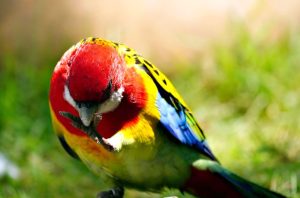
Q: Can I make my garden more attractive to rosellas in their “off” season?
A: Absolutely. Plant native grasses that seed in different seasons, provide a ground-level seed tray with their favourites (sunflower, millet), and ensure fresh water. You can’t make them migratory, but you can make your garden a reliable pit-stop on their nomadic rounds.
Q: Are some rosella species more likely to visit gardens than others?
A: Yes. Crimson Rosellas in eastern Australia are more adaptable to suburbs than some western species. Eastern Rosellas are also common garden visitors in their range. The more urbanized the area, the more likely you are to see these two species.
🎯 The Takeaway: Appreciating Different Strategies
Understanding these differences helps manage expectations:
-
King parrots offer reliable, seasonal friendship (winter guests you can count on).
-
Rosellas offer opportunistic, special visits (beautiful surprises when conditions align).
This isn’t a hierarchy—it’s two brilliant adaptations to the Australian environment. The king parrot’s predictable migration conserves energy for breeding. The rosella’s flexible nomadism maximizes survival in unpredictable climates.
Your role changes accordingly:
-
For king parrots: Be a reliable winter host.
-
For rosellas: Be a welcoming roadside diner—always open when they’re passing through.
📚 Related Reading
-
King Parrot Seasonal Behaviour – The altitudinal migration story
-
How to Attract Rosellas to Your Garden – Making your space a nomadic stopover
-
What Do Rosellas Eat in the Wild? – Understanding their food-driven movements
-
Are Rosellas Shy? – Why their cautious nature affects garden visits