Are Rosellas Shy? Understanding the Cautious Nature of Australia’s Colorful Parrots
A Paradox of Colour and Caution

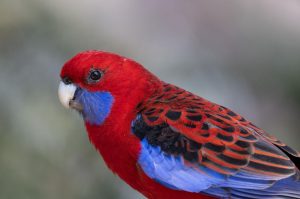
With their dazzling, jewel-like plumage, rosellas seem like they should be the boldest birds in the bush. Yet, many birdwatchers describe them as surprisingly wary, skittish, or shy. Their intelligence manifests as cautious observation This isn’t a contradiction; it’s a survival strategy. Their bright colours are for communication within their species, not a declaration of fearlessness to the world. Understanding their cautious nature is key to appreciating them as wild animals, not just colourful visitors.
Part 1: Why Are Rosellas Generally Cautious?
Several key factors explain their naturally wary disposition:
Related Posts
-
What Do Rosellas Eat? (Safe Seeds, Fruits & Foods to Avoid) What Do Rosellas Eat in the Wild? A Look at Their Natural Diet The quiet crimson rosella foraging on a…
-
Crimson vs Eastern Rosella: How to Tell Them Apart Easily A Classic Case of Mistaken Identity The flash of red, green, and blue in your garden could be…
-
Attract Rosellas to Your Garden: Ethical Food Tips How to Attract Rosellas to Your Australian Garden (The Right Way) Beyond the Bird Feeder The sight of…
-
Can You Hand-Feed Rosellas? A Guide to Ethics & Building Trust Can Rosellas Be Hand-Fed? The Responsible Guide to Trust & Risk The Temptation and the Truth The image…
-
Rosella Seasonal Movement: Do They Migrate or Stay Put? Rosella Seasonal Movement: The "Local Nomads" vs. King Parrot "Altitude Migrants" If you've read our guide on King Parrot…
-

Eastern Rosella Prey Animal Psychology: As mid-sized parrots, rosellas are on the menu for a variety of predators, including hawks, falcons, goannas, and cats. A healthy wariness is hardwired into their behaviour for survival.
-
The “Distance-Dependent” Coloration: Their brilliant colours are most effective for social signalling (finding mates, flock cohesion) at a safe distance. When feeding or nesting, they often rely on camouflage against dappled light and green foliage, where sudden movement betrays them.
-
Specialised Diet & Foraging Style: Many rosellas, like Easterns and Crimsons, spend considerable time feeding on the ground for seeds and fallen fruits. This is a vulnerable position, making them inherently nervous and quick to flush to cover.
You Might Also Like
-
Are Rosellas Intelligent? Yes, But Not Like Cockatoos Are Rosellas Intelligent? (The Truth About Their Cleverness) THE QUICK ANSWER: Yes, rosellas are intelligent - but not…
-
Rosellas in Our Garden: A 3-Year Success Story Rosellas in Suburban Gardens: How We Created a Crimson & Eastern Haven For years, we'd only see the flash…
-
Rosella Calls & Sounds: Decoding Their Melodious Chirps Rosella Calls & Sounds: The Language of Australia's Coloured Parrots If Rainbow Lorikeets are the screaming rock stars of the…
-
-
Limited Urban Adaptation: Compared to ultra-bold birds like sulphur-crested cockatoos or ibises, most rosella species have not fully embraced the urban “scavenger” lifestyle. They remain more tied to natural foraging behaviours and are less trusting of human environments.
Part 2: Shyness Spectrum: From Most to Least Wary
Not all rosellas are equally timid. Their comfort level varies noticeably by species and context.
| Species | Typical Wariness Level | Notes & Exceptions |
|---|---|---|
| Crimson Rosella | Moderate-High. Often the shyer of the common species. Prefers forest edges and can be flighty at garden feeders. | May become bolder in picnic areas or where regularly fed in quiet, rural gardens. |
| Eastern Rosella | Moderate. The classic “garden rosella.” Can be reasonably tolerant if approached slowly, but will often flee from sudden movement or direct approach. | Often the first to visit backyard feeders. Their ground-feeding makes them jittery. |
| Pale-headed Rosella | Moderate. Similar to Easterns in temperament. Cautious but observable in suburban parks with large trees. | |
| Green Rosella (Tasmania) | Moderate-High. As a Tasmanian endemic with less exposure to high human density, it tends to be quite wary. | |
| Northern & Western Rosellas | Generally Higher. These species in northern and remote southwestern Australia often have less daily human contact and can be very elusive. |
Key Factors That Override Species:
-
Location: A rosella in a remote national park will be far shyer than one in a suburban garden where it’s grown
 accustomed to passive human presence.
 -
Food Motivation: A flock feeding on a favourite berry tree will tolerate more proximity than one foraging in open grass.
-
Presence of Predators: Recent activity by a hawk or cat will make the entire local population hyper-vigilant for days.
[Menu:rosella]
Part 3: How to Observe Rosellas Without Spooking Them
Respecting their shyness leads to better, longer observations.
✅ DO:
-
Use Window Cover: Observe from inside your house, behind a window.
-
Move Slowly & Indirectly: Avoid walking directly towards them. Move sideways or in a wide arc if you must be outside.
-
Sit Still & Be Quiet: Find a comfortable spot in the garden and let them come to you. Patience is rewarded.
-
Provide Food & Water at a Safe Distance: Place feeders and bird baths near natural cover (shrubs, trees) so they have a quick escape route.
❌ DO NOT:
-
Make Direct Eye Contact: Many animals perceive a direct stare as a threat. Look slightly away or use your peripheral vision.
-
Wear Bright Colours: Opt for muted, natural tones when you’re trying to observe wildlife.
-
Chase or Try to Get Too Close: You’ll only teach them that your garden is a high-stress zone.
-
Play Recorded Calls: This is highly disruptive, can stress the birds, and is considered unethical birding practice.
Part 4: The Signs of a Relaxed Rosella
When they feel safe, you’ll see different behaviours:
-
Soft Chattering: Social calls between a pair or family group.
-
Preening & Allopreening: Grooming themselves or their mate.
-
Feeding for Extended Periods: Spending more than a minute or two on the ground or feeder without constantly looking up.
-
Fluffed Feathers: A sign of contentment and relaxation.
Conclusion: Shyness is a Sign of a Healthy Wild Bird
A shy rosella is not an unfriendly one; it’s a wild, alert, and surviving one. Their cautious nature is what has allowed these spectacularly coloured birds to thrive across Australia. By understanding and respecting their need for space, we become privileged observers of their natural world, not intruders in it.
First, make sure you know who you’re watching! Use our Definitive Rosella Identification Guide to tell your Crimsons from your Easterns.
Have you gained the trust of a local rosella flock? Share your respectful observation tips in the comments below! Go back to the main Rosella page here.