Managing Aggressive Birds at Your Feeders: A Guide to Garden Peace
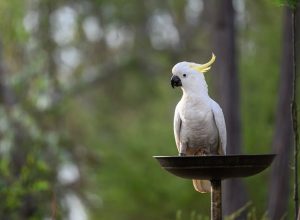 You set up a bird feeder to enjoy nature’s beauty, only to watch it turn into a battlefield. A flash of rainbow colours signals the arrival of a lorikeet, which immediately starts chasing off every other bird and parrot. Or a rowdy gang of cockatoos descends, scattering smaller visitors. This aggression is frustrating and can make you feel like you’re only feeding the bullies.
The good news? You can restore peace. This guide explains why common Australian birds act aggressively and provides a clear, 3-step strategy to create a backyard where multiple species can feed safely.
😠 Why Are My Backyard Birds So Aggressive?
Bird aggression isn’t about malice; it’s driven by instinct. Understanding the motive is the first step to a solution.
| Primary Motive | What’s Happening | Typical Culprit |
|---|---|---|
| Resource Guarding | Defending a valuable, concentrated food source (like your feeder). This is the #1 cause. | Rainbow Lorikeets, Cockatoos, Noisy Miners. |
| Establishing Hierarchy | Working out the social pecking order within a flock or species. | Cockatoos, Galahs within their own groups. |
| Territorial Defence | Protecting a nesting site or core territory during breeding season. | Magpies, Butcherbirds, Wattlebirds. |
| Mating & Courtship | Chasing and squabbling related to pairing up. | Seasonal behaviour in many species. |
Deep Dive: To understand the ringleader, read our Complete Guide to Rainbow Lorikeet Behaviour.
🦜 The Aggression Line-Up: Identifying the Bullies & The Bullied
The Primary Instigators
-
Rainbow Lorikeet: The most common feeder aggressor. They are territorially assertive over
 nectar and fruit. Their strategy is loud, persistent chasing to monopolise the food source.
 -
Sulphur-Crested Cockatoo: They use size and dominance. They won’t chase constantly but will physically displace other birds, often causing smaller species to leave entirely.
-
Noisy Miner: A native honeyeater known for extreme territorialism. They form gangs to aggressively chase birds much larger than themselves, reducing local biodiversity.
The Common Victims
-
Smaller Parrots: Rosellas, King Parrots, and finches are often chased away.
-
Doves & Pigeons: Peaceful ground feeders that are easily intimidated.
-
Honeyeaters: Smaller species like New Holland Honeyeaters can be bullied by Noisy Miners.
✅ The 3-Step Solution: How to Stop Aggressive Birds Humanely
This method doesn’t punish birds—it redesigns the environment to minimise conflict.
Step 1: Separate the Food (The Golden Rule)
Different birds eat different foods. Stop serving “all-you-can-eat” buffets.
-
For Lorikeets (Nectar/Fruit): Use a dedicated nectar feeder. Place it in an open, prominent spot away from other feeders. Accept that this will be the “lorikeet zone.”
-
For Cockatoos & Parrots (Seed/Nuts): Use a large, sturdy platform feeder with sunflower seeds or parrot mix. They are less aggressive if they have their own space.
-
For Small Birds (Seed): This is your peace zone. Use tube feeders with small perches or, better yet, caged feeders (see Step 2).
-
 For Ground Feeders: Scatter seed for doves and rosellas under dense bushes where they feel safe from aerial attacks.
Step 2: Use Strategic Feeder Design (Your Best Weapon)
Physical barriers are the most effective tool.
-
Caged Feeders (Essential): These are tube or platform feeders surrounded by a metal cage. The gaps are small enough to let small birds (finches, honeyeaters, rosellas) in but exclude larger birds (lorikeets, cockatoos, miners).
-
Weight-Activated Feeders: Perches that close access to seed under the weight of a large bird. Excellent for excluding cockatoos and pigeons.
-
Dominant Species Feeder: Sometimes, the easiest solution is to give the bully its own feeder away from the main station. A lorikeet busy at its own nectar pot is less likely to raid the seed feeder.
Step 3: Rearrange Your Garden Layout
-
Create Multiple Stations: Spread feeders 5-10 meters apart across your garden. This breaks up the “single target” that birds fight over.
-
Provide Escape Cover: Place small bird feeders within 1-2 meters of dense shrubs or trees. This gives victims a quick escape route.
-
Use the “Decoy” Tactic: If a specific feeder is always contested, try moving it temporarily. The bullies may follow it, leaving your other stations peaceful.
Related Problem: If aggression has escalated to property damage, see our guide on Birds Destroying Your House.
🚫 What NOT to Do
-
Do NOT try to harm or scare aggressive birds persistently. This is stressful, often illegal, and rarely works long-term.
-
Do NOT stop feeding altogether if you want to help the quieter birds. Use the strategies above instead.
-
Do NOT use one giant feeding table. This is an invitation for conflict.
🌿 When to Step Back and Accept Nature
A certain level of chasing and dispute is normal bird behaviour. You cannot and should not expect 100% harmony. Your goal is not to eliminate all aggression but to reduce extreme bullying that prevents other species from feeding at all.
If a magpie is defending its nest or cockatoos are bickering amongst themselves, it’s often best to let nature run its course for a few weeks.
📚 Related Problem-Solving Guides
-
The Complete Guide to Backyard Bird Feeding – Learn the right way to feed all birds.
-
Why Do Cockatoos Chew Wood? – Understanding destructive behaviour.
-
Are Lorikeets Aggressive? – A deep dive into their dominant nature.
❓ Frequently Asked Questions
Q: Is it illegal to deter aggressive native birds?
A: It is illegal to harm or kill native birds. However, humane deterrence—like using cage feeders or changing your feeding setup—is perfectly legal and encouraged.
Q: Will aggressive birds eventually scare all others away for good?
A: If you only have one food source, yes. Bullies will monopolise it. By implementing the 3-step strategy above, you provide safe alternatives, and the quieter birds will return.
Q: What’s the single best product to stop bird bullying?
A: A caged tube feeder. It is the most effective tool for creating a safe haven for small birds against larger, aggressive species.
Q: Should I feed the aggressive birds to keep them away from others?
A: Strategically, yes. This is the “Dominant Species Feeder” tactic. Giving lorikeets their own nectar feeder in a separate location can satisfy them and draw their attention away from other feeders.
Found this guide helpful? Return to our main hub for solutions to other common issues: Solve Common Backyard Bird Problems.