Birds Nesting in Roof Vents & Soffits: Your Complete Removal Guide
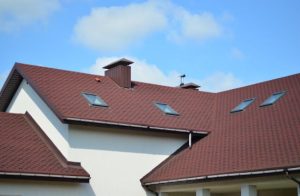 That faint scratching, rustling, or chirping coming from your ceiling isn’t your imagination. It’s a sign that birds—often Indian Mynas, Sparrows, or Starlings—have found the perfect sheltered cavity in your roof vents, soffits, or eaves to build a nest. While it might seem harmless, a nest can block ventilation, attract mites, and cause moisture damage.
This guide is your legal and safe action plan. We cover how to identify an active nest, the crucial laws you must follow, a step-by-step removal process, and—most importantly—how to seal the entry point permanently so it doesn’t happen again next season.
Related Posts
-
Birds Attacking Windows? Why It Happens & How to Stop It Why Are Birds Attacking My Windows? (And How to Stop It For Good) The sudden "thud" of a bird hitting…
-
Stop Bird Mess on Car, Deck & Patio: Effective Deterrents Stop Birds Making a Mess on Cars, Decks & Patios There’s nothing more frustrating than finding your freshly washed…
-
Stop Aggressive Birds at Feeders: Lorikeets, Cockatoos & More Managing Aggressive Birds at Your Feeders: A Guide to Garden Peace You set up a bird feeder to…
-
Stop Birds Destroying Your House: A Humane Australian Guide Solve Common Backyard Bird Problems: Humane, Effective Strategies Birds bring life and beauty to our gardens, but sometimes…
-
Swooping Birds: How to Stay Safe from Magpies & Plovers Dealing with Swooping Birds: A Safety Guide for Magpie & Plover Season The sudden "whoosh" of wings past your head,…
⚖️ Step 1: Know the Law (This is Non-Negotiable)
In Australia, all native birds are protected. It is illegal to harm, interfere with, or destroy an active nest (one with eggs or chicks). Penalties are severe.
-
What you CAN do: Monitor and plan. You can install deterrents around (but not blocking) an active nest.
-
What you CANNOT do: Remove, relocate, or seal in an active nest.
You Might Also Like
-
Stop Birds Damaging Solar Panels: A Protection Guide Birds Damaging Solar Panels? How to Stop It & Protect Your Investment You installed solar panels to save…
-
My Bird Hates My Partner! (Don’t Get a Divorce, Read This) "My Bird Doesn't Like My Spouse!" Understanding Avian Jealousy & Fear If your once-friendly bird now hisses, bites, or…
-
Birds in Swimming Pools: How to Deter & Rescue Safely Birds & Swimming Pools: A Guide to Deterrence, Safety & Rescue A backyard swimming pool is a source…
-
Bird-Proof Your Balcony or Apartment: Urban Solutions Bird-Proofing Your Balcony or Apartment: An Urban Survival Guide Living in an apartment doesn't mean you're safe from…
-
Stop Birds Digging Up Your Lawn & Garden Beds How to Stop Birds Digging Up Lawns & Garden Beds You step outside to enjoy your garden, only…
-
-
The Golden Window: You must wait until the nest is completely abandoned (chicks fledged and adults no longer attending) before any removal or permanent sealing. This typically takes 4-8 weeks from when you first notice activity.
🔍 Step 2: Identify the Problem
| Sign | What It Means |
|---|---|
| Scratching/Rustling in ceiling, especially at dawn/dusk. | Birds moving in/out or settling in the nest. |
| Chirping/Squeaking from inside the roof. | Likely chicks in the nest. |
| Birds repeatedly flying to a specific spot on your eaves. | The entry point to the nest site. |
| Nesting material (twigs, grass, feathers) sticking out of a vent or gap. | Clear evidence of nesting. |
Common Culprits:
-
Indian Mynas & Common Starlings: The most likely invaders. They are aggressive, non-native pests, but their nests are still protected under some state laws if they contain eggs/chicks. Check your local regulations.
-
Sparrows: Also common in roof cavities.
-
Swifts & Swallows: May nest in external, sheltered spots but are native and highly protected.
Related Reading: For general aggression from these birds, see our guide on Managing Aggressive Birds at Feeders.
🛠️ Step 3: The Safe Removal & Proofing Process (After Nest is Abandoned)
⚠️ Safety First: Roof work is dangerous. If the entry point is high or the roof steep, hire a professional. They have the equipment and insurance.
A. Removal & Cleanup
-
Confirm Abandonment: Watch for 48 hours with no adult bird entering or exiting.
-
Gear Up: Wear gloves, a P2/N95 mask, and safety goggles. Nest material can harbour mites, bacteria, and mould.
-
Remove Nest Material: Carefully pull out all material and place it directly into a sealed bag.
-
Disinfect the Area: Use a veterinary-grade disinfectant (e.g., F10, Virkon) or a diluted bleach solution to spray the area where the nest was, then allow it to dry fully. This kills parasites and pathogens.
B. Permanent Exclusion (THE MOST IMPORTANT STEP)
Never just remove the nest. You MUST seal the entry point.
-
Locate ALL Entry Points: Birds can use gaps as small as 2cm. Check all vents, soffit panels, and eaves.
-
Choose the Right Material:
-
Galvanised Steel Hardware Cloth/Mesh: The best option. Use a 6mm or 12mm grid. Cut to size and staple or screw it over vents and gaps. It’s rigid and chew-proof.
-
Plastic Vent Covers: Specific bird-proof vent covers can be purchased and installed.
-
Sealant/Expanding Foam: Can be used for tiny gaps, but should never be the primary barrier as birds and rodents can chew through it.
-
-
Install Securely: Ensure there are no gaps or loose edges. The barrier must be visually integrated and durable.
🚫 What NOT to Do
-
Do not use poisons or traps.
-
Do not attempt to “smoke them out.”
-
Do not listen to advice to use predator sounds or reflective objects—these are ineffective for birds already inside.
-
Do not postpone sealing. New birds will find the same spot within days.
📋 When to Call a Professional
Hire a licensed pest controller or bird-proofing specialist if:
-
The roof is high, steep, or unsafe for you to access.
-
You suspect bats (which are protected mammals and require special handling).
-
The infestation is large or you can’t find all the entry points.
-
You are unsure about the laws or species involved.
❓ Frequently Asked Questions
Q: How do I stop the noise while I wait for the nest to be abandoned?
A: Unfortunately, very little. Playing loud music or banging on the ceiling is stressful, rarely works, and is illegal if it harms the birds. Your best strategy is to plan the exclusion and tolerate the temporary noise.
Q: Will the babies die if I block the entrance?
A: Yes, that is why it is illegal. Always ensure the nest is abandoned before any permanent sealing. If you accidentally seal birds in, you must immediately unblock the entrance.
Q: What time of year does this happen?
A: Primarily spring and early summer (September to January), which is the main breeding season for most birds.
Q: Can nesting birds cause damage?
A: Yes. Nests can block ventilation, leading to moisture buildup and rot. They can also be a fire hazard if dry material is near downlights or electrical wiring. Mites and insects associated with nests can also invade your living space.
This is a solvable problem with a permanent fix. For more guides on protecting your home, visit our full Problems Hub.