How to Attract Rosellas to Your Australian Garden (The Right Way)
Beyond the Bird Feeder
 The sight of a crimson or eastern rosella lighting up your garden is a special kind of Australian magic. While tossing out some seed might bring them in, attracting them ethically and sustainably is about creating a habitat they choose to call home. It’s not just about what you offer, but how you offer it. Let’s turn your garden into a rosella sanctuary they’ll return to season after season.
Part 1: The Golden Rule – Plant, Don’t Just Plate
The single best thing you can do is plant native species. This provides a natural, balanced food source and supports the entire local ecosystem.
Related Posts
-
Rosellas in Our Garden: A 3-Year Success Story Rosellas in Suburban Gardens: How We Created a Crimson & Eastern Haven For years, we'd only see the flash…
-
What Do Rosellas Eat? (Safe Seeds, Fruits & Foods to Avoid) What Do Rosellas Eat in the Wild? A Look at Their Natural Diet The quiet crimson rosella foraging on a…
-
Rosella Seasonal Movement: Do They Migrate or Stay Put? Rosella Seasonal Movement: The "Local Nomads" vs. King Parrot "Altitude Migrants" If you've read our guide on King Parrot…
-
Crimson vs Eastern Rosella: How to Tell Them Apart Easily A Classic Case of Mistaken Identity The flash of red, green, and blue in your garden could be…
-
Can You Hand-Feed Rosellas? A Guide to Ethics & Building Trust Can Rosellas Be Hand-Fed? The Responsible Guide to Trust & Risk The Temptation and the Truth The image…
Top Native Plants Rosellas Love:
-
Grasses & Groundcovers: Rosellas, especially eastern and crimson, spend a lot of time foraging on the ground for fallen seeds.
-
Kangaroo Grass (Themeda triandra)
You Might Also Like
-
Are Rosellas Shy? Why These Colorful Parrots Are Cautious Are Rosellas Shy? Understanding the Cautious Nature of Australia's Colorful Parrots A Paradox of Colour and Caution With…
-
Are Rosellas Intelligent? Yes, But Not Like Cockatoos Are Rosellas Intelligent? (The Truth About Their Cleverness) THE QUICK ANSWER: Yes, rosellas are intelligent - but not…
-
Rosella Calls & Sounds: Decoding Their Melodious Chirps Rosella Calls & Sounds: The Language of Australia's Coloured Parrots If Rainbow Lorikeets are the screaming rock stars of the…
-
-
Wallaby Grasses (Rytidosperma spp.)
-
-
Shrubs & Small Trees: These provide seeds, nectar, and shelter.
-
Wattles (Acacia spp.) – Seed pods are a favourite.
-
Native Hibiscus (Alyogyne huegelii) – For their nectar.
-
Grevilleas – Choose smaller, bird-attracting varieties.
-
-
Large Trees: If you have space, these are rosella magnets.
-
Eucalypts (Gums) – A primary source of seeds and nesting hollows.
-
She-oaks (Casuarina/Allocasuarina) – Their “cones” provide food.
-
Pro Tip: Research which rosella species are native to your specific area and choose plants that occur locally. This ensures the birds are already adapted to them.
Part 2: The Ethical Feeding Guide (If You Must)
Supplemental feeding should be occasional, not a staple. Getting it wrong can cause dietary problems and dependency.
[Menu:rosella]
| What to Offer ✅ | What to AVOID ❌ | Why It Matters |
|---|---|---|
| Small amounts of specialist parrot seed mix (sunflower, safflower, hulled oats). | Bread, crackers, or processed foods. | Bread is nutritional junk food that fills them up without providing nutrients. |
| Fresh, native flowers or foliage from the plants listed above. | Salty or sugary snacks. | Can cause dehydration and kidney damage. |
| A clean, shallow bird bath is the best “treat” you can offer. | Large piles of seed that can rot or attract pests. | Promotes disease and unwanted visitors like rats. |
| A sprinkle of seed on a raised platform feeder, cleaned regularly. | Feeding in a way that makes them vulnerable to cats. | Always place feeders near cover, but away from cat ambush points. |
The #1 Rule: If you start feeding, be consistent, especially in winter. Sudden stoppage can harm birds that have come to rely on you.
Part 3: Creating the Perfect Rosella Habitat
Food is just one piece. To truly attract them, think like a rosella.
-
Water Source: A shallow, bird-safe bath with clean water changed daily is irresistible. Add a stone for perching.
-
Shelter & Safety: Dense, prickly native shrubs (like Grevillea ‘Poorinda Royal Mantle’) provide protection from predators and weather.
-
Nesting Sites: DO NOT disturb potential tree hollows. If you have large, old trees, protect them. Installing a properly sized nesting box (with a deep cavity for rosellas) high up on a tree can be very successful if natural hollows are scarce.
-
Go Chemical-Free: Pesticides and herbicides can poison rosellas directly or kill the insects they sometimes eat.
Part 4: Patience & Observation
Attraction takes time. It might be weeks or even a season before they discover your garden oasis.
-
Learn Their Calls: Familiarise yourself with their melodic whistles. You’ll often hear them before you see them.
-
Be a Responsible Host: Keep cats indoors, and admire from a distance to avoid causing stress.
See It In Action: Want proof this works? Read our real-world case study: Rosellas in Our Garden: A 3-Year Success Story
A Partnership with Nature
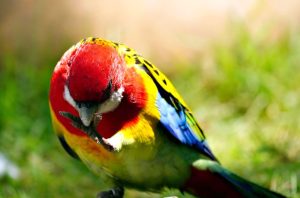 Attracting rosellas isn’t about taming them; it’s about inviting wildness into your space by restoring a small piece of the habitat we’ve taken. The reward is not just their beauty, but the knowledge you’re supporting native wildlife in a meaningful way.
First, know who you’re inviting! Make sure you can identify your visitors with our Complete Guide to Australian Rosellas.
Have you successfully attracted rosellas? Have you heard Rosella calls and sounds? Share your stories and tips in the comments below!