What Do Cockatoos Eat in the Wild? The Real Diet of Australia’s Giants
 When you see a Sulphur-crested Cockatoo shredding your decking or a gang of Corellas tearing up a sports oval, it’s easy to think they’re just destructive. But these actions are clues to their sophisticated, varied, and highly adapted wild diet. They are not simple seed-eaters; they are intelligent foragers with a menu that changes with the landscape and season.
Cockatoo Diet at a Glance
Related Posts
-
Sulphur-Crested Cockatoo Behaviour: Complete Guide & Insights Sulphur-Crested Cockatoo Behaviour: The Complete 2026 Guide Quick Answer: Sulphur-crested cockatoos (Cacatua galerita) display complex behaviours including ear-piercing screaming…
-
Cockatoo Roof Damage: How to Identify, Repair & Stop It Cockatoo Damage to Roofs: A Homeowner's Guide to Identification, Repair & Prevention You hear the scraping and gnawing…
-
Cockatoo Lifespan: How Long Do Cockatoos Live? (2026 Guide) Cockatoo Lifespan: How Long Do These Iconic Birds Really Live? Quick Answer: Cockatoos are among Earth's longest-living parrots.…
-
Cockatoo Flock Communication: Decoding Their Social Signals Cockatoo Flock Communication: Decoding the Screech, the Chatter & the Secret Language The Flock is a Network, Not…
-
Why Cockatoos Scream & How Their Skull Protects Them Why Do Cockatoos Scream? (And the Amazing Reason It Doesn't Deafen Them) The Screech That Defies Anatomy Cockatoos…
-
Primary foods: native seeds, roots, grubs, blossoms
-
Behaviour explained: chewing = foraging or beak care
-
Species differ dramatically (black vs white cockatoos)
You Might Also Like
-
Cockatoo Intelligence: Mind-Blowing Problem-Solving Cockatoo Intelligence Unlocked: The Problem-Solving Feats of Avian Einsteins More Than JUST a Pretty Crest Beyond the raucous…
-
Cockatoo Family Guide: Sulphur-crested vs Corella vs Galah Cockatoo Family: Sulphur-crested, Corella, Galah - Who's Who in the White (and Pink) Parade? You hear the unmistakable…
-
Are Cockatoos Protected in Australia? Laws & Penalties Are Cockatoos Protected in Australia? The Laws You Need to Know The short, unequivocal answer is yes, all cockatoos…
-
Why Cockatoos Chew Wood: Beak Biology Explained Why Do Cockatoos Destroy Wood? It’s Not Vandalism, It’s Biology The Master Carpenters You Didn't Hire If you've…
-
-
Feeding causes more harm than good
Understanding what cockatoos actually eat in nature explains their frustrating behaviour, reveals their incredible ecological role, and shows why offering them a bag of sunflower seeds at your feeder is both inadequate and part of the problem.
🌾 The Cockatoo Diet: Opportunistic Omnivores of the Bush
Cockatoos are primarily granivores (seed-eaters), but their powerful beaks and clever minds allow them to exploit a wide range of food sources. Their diet varies dramatically between species and habitats.
🏡 BACKYARD COCKATOO FEEDING GUIDE (2026 SAFE PRACTICES)
The Feeding Dilemma: To Feed or Not to Feed?
While we generally advise against feeding wild cockatoos due to dependency and nutritional issues, we understand some Australians develop special relationships with local birds. If you choose to feed, here are 2026’s best practices based on latest wildlife research.
✅ SAFE FOODS (Occasional Treats Only)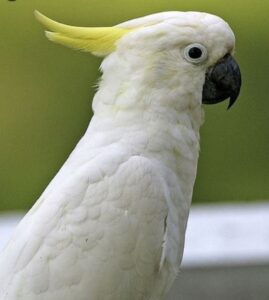
Native Nuts in Shell:
-
Macadamia nuts (in shell)
-
Walnuts (in shell)
-
Almonds (sparingly – high in fat)
-
Why in shell? Provides beak exercise and mental stimulation
Fresh Produce:
-
Corn on the cob (raw or lightly cooked)
-
Fresh peas in pod
-
Chopped sweet potato (cooked, no seasoning)
-
Leafy greens (kale, spinach in small amounts)
Commercial Options:
-
Australian-made large parrot seed mixes
-
Sprouted seed mixes (higher nutrition)
-
Important: Store in airtight containers to prevent mould
❌ NEVER FEED – TOXIC DANGERS
Immediately Toxic:
-
Avocado (contains persin – fatal to birds)
-
Chocolate (theobromine poisoning)
-
Caffeine (coffee, tea, energy drinks)
-
Alcohol (even small amounts)
-
Onion and garlic (can cause anemia)
Harmful Long-term:
-
Bread (causes “angel wing” deformity)
-
Dairy products (birds lack lactase enzyme)
-
Salted or seasoned foods
-
Processed human foods
-
Mouldy or spoiled seeds
⚠️ The Risks of Regular Feeding
Nutritional Imbalances:
Cockatoos fed primarily seeds develop:
-
Vitamin A deficiency (common in seed-only diets)
-
Calcium deficiency (leads to brittle bones)
-
Obesity and fatty liver disease
Behavioural Issues:
-
Increased aggression at feeding stations
-
Larger, noisier flocks gathering
-
Property damage concentration in feeding areas
-
Loss of natural foraging skills
Ecological Impact:
-
Spread of disease at crowded feeders
-
Unnatural population increases
-
Competition with native species that don’t visit feeders
🏆 Best Practice: Plant, Don’t Plate
The healthiest approach is to plant native food sources:
Recommended Native Food Plants:
├── Banksias (nuts for black cockatoos)
├── Grevilleas (nectar for galahs)
├── Eucalypts (seeds for all species)
├── Acacias (seeds in season)
└── Native grasses (seeds for ground feeders)
| Food Type | Examples & How They Eat | Which Cockatoos & Why |
|---|---|---|
| Seeds & Nuts | Native grass seeds, wattle (Acacia) seeds, Eucalyptus nuts (gumnuts), Casuarina cones, banksia nuts. They use their strong beak like a pair of bolt-cutters to crack the hardest shells. | Corellas, Cockatoos, Galahs. The staple food for most species. Their beaks are perfectly evolved seed-crackers. |
| Roots, Corms & Bulbs | Underground bulbs of native lilies, orchid tubers, and the corms of grasses (like onion grass). They dig with their feet and beak to excavate them. | Corellas & Cockatoos. This is the main reason they dig up lawns and playing fields, especially in dry periods. They’re not vandalising; they’re farming. |
| Insect Larvae (Grubs) | Wood-boring beetle larvae (like longhorn beetles). They strip bark and chew deep into timber to extract the high-protein grub inside. | Yellow-tailed Black Cockatoos, Glossy Black Cockatoos. A crucial protein source. This is a primary reason they chew on living branches. |
| Fruits & Berries | Native figs, berries, and fruits from rainforest trees. They will also eat cultivated fruit (a major agricultural conflict). | All species seasonally. A valuable source of sugars and moisture. |
| Nectar & Blossoms | Eucalyptus, Banksia, and Grevillea blossoms. They crush the flowers to drink the nectar and eat the pollen. | Galahs, Cockatoos. An important seasonal food, especially in spring. |
Because each species has evolved for different foods, their beak shape, behaviour, and even conservation status vary significantly between cockatoo species.
🦜 COCKATOO SPECIES DIET SPECIALTIES
Not All Cockatoos Eat the Same!
Australia’s diverse cockatoo species have evolved specialised diets based on their habitats and beak structures.
📊 Cockatoo Species Diet Comparison
| Species | Primary Wild Foods | Unique Adaptations | Peak Feeding Times |
|---|---|---|---|
| Sulphur-Crested Cockatoo | Seeds, roots, bulbs, fruits | Powerful beak for digging roots | Early morning, late afternoon |
| Long-billed Corella | Grass roots, bulbs, seeds | Long upper beak for deep digging | All day (especially lawns) |
| Yellow-tailed Black Cockatoo | Wood-boring grubs, banksia seeds | Strong beak for stripping bark | Mid-morning in forests |
| Red-tailed Black Cockatoo | She-oak (casuarina) seeds | Specialised for cone opening | Early morning in woodlands |
| Gang-gang Cockatoo | Seeds, berries, insects | Smaller, more agile in trees | Morning in mountain forests |
| Galah | Seeds, grains, green shoots | Ground forager, social feeder | Dawn and dusk flocks |
| Major Mitchell’s Cockatoo | Seeds, roots, insect larvae | Delicate feeding in arid areas | Cooler parts of day |
🌳 Habitat-Based Diet Variations
Urban Sulphur-Crested Cockatoos:
-
60% human-provided foods
-
Increased fruit consumption
-
More varied diet than bush counterparts
Forest Black Cockatoos:
-

Black Cockatoo 90% natural foods
-
Highly specialised diets
-
Vulnerable to habitat loss
Agricultural Corellas:
-
Mix of crops and native foods
-
Adapted to human landscapes
-
Often considered pests
Key Insight: The infamous “destructive chewing” is almost always goal-oriented foraging. They chew decking to maintain their beaks or because it’s made of a tasty, resinous wood (like pine). They dig lawns for bulbs. They strip branches for grubs. They are solving a food problem.
📅 SEASONAL COCKATOO DIET CALENDAR
How Cockatoo Diets Change Through the Year
Cockatoos are masters of seasonal adaptation, changing their feeding strategies as food availability shifts.
Spring (September – November) – Breeding Season
Diet Focus: High protein for chicks
-
Increased insect larvae consumption
-
More blossoms and nectar (energy boost)
-
Fresh green seeds from flowering plants
-
Behaviour: More aggressive at food sources
Backyard Impact:
-
Increased chewing on wood (seeking grubs)
-
More visits to gardens with flowering natives
-
Higher protein needs may lead to more digging
Summer (December – February) – Survival Mode
Diet Focus: Hydration and energy
-
More fruits and berries (natural hydration)
-
Early morning/late evening feeding
-
Increased water seeking
-
Behaviour: Shorter, more frequent feeding bouts
Backyard Impact:
-
Bird baths become crucial
-
Fruit trees may be raided
-
Increased aggression in heat
Autumn (March – May) – Preparation Phase
Diet Focus: Fat storage for winter
-
Seed caching (hiding food for later)
-
Increased root and bulb digging
-
Last fruits before winter
-
Behaviour: More time spent food-hiding
Backyard Impact:
-
Gardens may show digging evidence
-
Increased feeder competition
-
More visible food-caching behaviour
Winter (June – August) – Conservation Mode
Diet Focus: Energy conservation
-
Retrieval of cached seeds
-
Increased human-provided foods
-
Later morning starts (wait for warmth)
-
Behaviour: Larger, cooperative flocks
Backyard Impact:
-
More frequent feeder visits
-
Increased tolerance of humans
-
Property damage may increase near food sources
🗺️ A Tale of Two Cockatoos: How Diets Differ
Not all cockatoos eat the same things. Their beaks and habitats shape their specialities.
-
The Diggers: Corellas & Sulphur-crested Cockatoos
These birds are adapted to open grasslands and agricultural areas. Their diet is heavy on seeds from the ground and, most famously, roots and corms. This is why they are the prime culprits for destroying irrigated sports ovals—they are literally harvesting the watered grass’s root system, a behaviour known as “cultivation foraging.” -
The Forest Specialists: Black Cockatoos
Yellow-tailed and Red-tailed Black Cockatoos are specialised for dense forests. Their diets are highly specific:-
Yellow-tails: Focus on wood-boring grubs and the seeds of native pines (like Callitris) and banksias.
-
Red-tails (forest subspecies): Almost exclusively eat the seeds of native she-oaks (Casuarina).
-
Glossy Black Cockatoos: Eat almost nothing but the seeds of drooping she-oaks (Allocasuarina verticillata).
-
🌿 Why Their Wild Diet Matters for Your Backyard
-
It Explains the “Problems”: Your deck isn’t food; it’s a beak maintenance station or smells like resin. Your lawn isn’t turf; it’s a field of buried bulbs. Understanding this reframes them from vandals to skilled survivors in a changed landscape.
-
It Shows Why Feeding is Problematic: Offering a plate of seeds is like giving a gourmet chef a bag of chips. It’s poor nutrition that encourages large, dependent flocks and increases aggressive behaviour. It also draws them away from their natural, varied foraging.
-
It Points to Real Solutions: The best way to live with cockatoos is not to feed them, but to protect what you value (with physical barriers) and plant native food sources they prefer away from your house.
For humane, legal strategies to protect your property, our comprehensive guide Birds Destroying Your House: Solutions & Prevention is essential reading.
❓ Frequently Asked Questions
Q: Do cockatoos eat meat?
A: Not typically. However, they will consume insect larvae (grubs) for protein, which is a form of animal matter. They are not predators or scavengers of larger animals.
Q: Why do they chew my house if they’re not eating it?
A: Beak maintenance: Their beaks grow constantly and must be worn down. Curiosity/Play: Cockatoos are highly intelligent and investigate objects with their beaks. Resin attraction: Treated pine and other softwoods can contain sap or chemicals that attract them. Read our deep dive: Why Do Cockatoos Chew Wood?.
Q: Can cockatoos eat sunflower seeds?
A: Yes, but with important caveats. Sunflower seeds are like junk food for cockatoos – high in fat, low in essential nutrients. If feeding, offer them in the shell for beak exercise, and make them less than 10% of total diet. Better options are native seed mixes formulated for parrots.
Q: What fruits can cockatoos eat safely?
A: Safe fruits include: apple (seeds removed), pear, berries, melon, banana, and stone fruits with pits removed. Always wash thoroughly to remove pesticides. Offer fruits in moderation – they’re high in natural sugars.
Q: How often should I feed wild cockatoos?
A: Wildlife experts recommend against regular feeding. If you do feed, make it:
-
Occasional (once a week maximum)
-
Small amounts (a handful per bird)
-
At irregular times (prevents dependency)
-
As part of a “natural” foraging experience (scatter feed, don’t use trays)
Q: Do cockatoos need grit for digestion like chickens?
A: No, this is a common misconception. Cockatoos hull all seeds before eating, so they don’t ingest the hard shells. Providing grit can actually cause crop impaction and serious health issues. Their gizzard is muscular enough to grind food without grit.
Q: What do baby cockatoos eat in the wild?
A: Parent cockatoos feed chicks by regurgitating partially digested seeds, fruits, and insect matter. This “crop milk” provides perfect nutrition. Never attempt to feed a wild baby cockatoo – incorrect formula can kill them. Contact WIRES or local wildlife carers immediately.
Q: Why do cockatoos sometimes reject food they previously ate?
A: Cockatoos have individual preferences that can change based on:
-
Seasonal availability of preferred foods
-
Nutritional needs (may seek protein before breeding)
-
Learned behaviour (if food made them sick once)
-
Social learning (following flock preferences)
Q: How does their intelligence help them find food?
A: Their problem-solving skills are legendary. They learn to open bin lids, dig for specific roots, and even teach each other new techniques. This is why simple deterrents often fail. Learn more about their minds: Cockatoo Intelligence & Problem-Solving.
🌿 THE ETHICS OF FEEDING WILD COCKATOOS
The 2026 Wildlife Expert Consensus
After decades of research, Australian wildlife scientists agree:
Natural Foraging is Healthiest:
-
Maintains physical fitness
-
Provides balanced nutrition
-
Supports natural behaviours
-
Reduces human-wildlife conflict
If You Must Feed:
-
Educate yourself on proper nutrition
-
Limit quantities to supplement, not replace, natural diet
-
Choose appropriate foods (native seeds, not human junk)
-
Monitor bird health and stop if issues arise
-
Respect neighbours – feeding can increase local problems
Better Than Feeding: Habitat Creation
Instead of putting out seed trays:
-
Plant native food trees appropriate for your area
-
Install a bird bath with clean water
-
Leave some areas of garden “wild” for natural foraging
-
Avoid pesticides that reduce insect populations
Remember: Every cockatoo visiting your feeder is one less bird performing its natural ecological role of seed dispersal and insect control in the bush.
⚠️ COCKATOO TOXIC FOOD ALERT
DEADLY DANGERS: Foods That Can Kill Cockatoos
Immediate Medical Emergencies:
-
Avocado – Contains persin, causes respiratory distress, death within 12-24 hours
-
Chocolate – Theobromine poisoning, fatal even in small amounts
-
Caffeine – Coffee, tea, cola – causes cardiac arrest
-
Alcohol – Birds cannot metabolize alcohol, tiny amounts toxic
Slow Poisoning Risks:
-
Onion & Garlic – Causes hemolytic anemia over time
-
Fruit Seeds/Pits – Apple seeds, peach pits contain cyanide compounds
-
Rhubarb – Oxalic acid damages kidneys
-
Mouldy Foods – Aflatoxin poisoning from mouldy nuts/seeds
Unhealthy Long-term:
-
Salt – Causes excessive drinking, kidney damage
-
Sugar – Leads to obesity, diabetes in birds
-
Fatty Foods – Causes fatty liver disease
-
Dairy – Lactose intolerance leads to digestive issues
🚨 Emergency Signs of Poisoning:
-
Difficulty breathing
-
Weakness or inability to perch
-
Tremors or seizures
-
Loss of coordination
-
Sudden silence in normally vocal birds
IF YOU SUSPECT POISONING:
-
Contact Australian Wildlife Health Network: 1300 094 737
-
Keep bird warm and quiet
-
Do NOT induce vomiting
-
Get to wildlife vet immediately
The wild cockatoo diet is a story of power, adaptation, and intelligence. By seeing them as expert foragers rather than mere pests, we can begin to develop smarter, more respectful strategies for sharing our space with these iconic Australian birds. How many cockatoos are there? You might be surprised.
To understand the legal protections they have, see. Yes. Cockatoos have lawyers: Are Cockatoos Protected in Australia?.