The Rainbow Lorikeet Diet: What They Eat in the Wild vs. Your Backyard
More Than Just Pretty Feathers
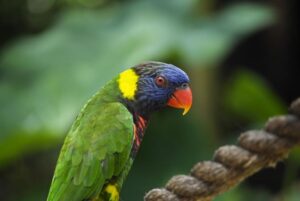 The riotous colours of the rainbow lorikeet (Trichoglossus moluccanus) are a quintessential sight in eastern Australia. But have you ever wondered what fuels these energetic, chatty birds? Understanding their unique diet is key to appreciating their role in the ecosystem and knowing how to interact with them responsibly in your own backyard. Unlike seed-eating parrots, lorikeets have a highly specialised diet that makes them fascinating—and requires specific knowledge if we want to help them thrive.
Part 1: The Natural Diet – A Liquid Lunch
In the wild, rainbow lorikeets are nectarivores and palynivores (pollen-eaters). Their brush-tipped tongues are perfectly adapted for this liquid lifestyle.
Related Posts
-
Do Lorikeets Remember Humans? The Science of Recognition Do Lorikeets Remember Humans? The Science of Avian Recognition After a few visits, the bold rainbow lorikeet at your feeder…
-
Are Lorikeets Aggressive? The Truth About Their Territorial Nature Are Lorikeets Aggressive? Understanding Their Feisty Social World Chaos at the Feeder A rainbow lorikeet feeding station often…
-
Hand-Feeding Lorikeets: Weighing the Pros & Cons Hand-Feeding Lorikeets: Weighing the Pros, Cons & Crucial Ethics The image of a Rainbow Lorikeet perched confidently on…
-
Can Lorikeets Eat Fruit? The Safe List (Yes & No) Can Lorikeets Eat Fruit? A Guide to Safe & Unsafe Fruits Yes, Rainbow Lorikeets can and do eat fruit,…
-
Safe Sugar Water for Lorikeets: The Right Recipe How to Make Safe Sugar Water for Lorikeets: The Correct Recipe Rainbow lorikeets are spectacular visitors that bring…
-
Native Nectar & Blossoms: They flock to flowering native trees like eucalypts (gums), paperbarks (Melaleuca), and banksias, using their specialised tongues to sip energy-rich nectar.
-
Pollen Power: While drinking nectar, they deliberately collect protein-rich pollen, which is essential for their growth and development.
-
Soft Fruits & Occasional Insects: They will also eat very soft fruits (like berries and figs) and the occasional insect lerp or aphid for extra protein, especially during breeding season.
You Might Also Like
-
How Intelligent Are Lorikeets? Quite Amazing. Lorikeet Intelligence: Clever Tricks, Problem-Solving & Memory Tests 🧠 THE LORIKEET INTELLIGENCE REPORT CARD Intelligence Type Rating (1-10) Comparison…
-
Australian Lorikeet Identification Guide: Rainbow Or What? How to Identify Australian Lorikeets: A Guide to Rainbow, Scaly-breasted & More Introduction: A Flash of Confusing Colour…
-
Attract Rainbow Lorikeets: Ethical Guide with Plants & Safe Food How to Attract Rainbow Lorikeets to Your Garden (The Right Way) A Living Rainbow in Your Garden The…
-
This natural diet is perfectly balanced for their high-energy needs. Their digestive systems are not designed to process seeds or large amounts of processed sugars. Can they eat fruit?
Part 2: The Backyard Buffet – Dos and Don’ts
It’s tempting to put out a treat for visiting lorikeets, but getting it wrong can cause serious harm. Here’s your safe feeding guide.
[Menu:lorikeet]
✅ DO – Offer Safe, Lorikeet-Specific Alternatives:
-
Commercial Lorikeet Wet Mix: A reputable brand from a pet store, mixed fresh daily. Never leave it out for
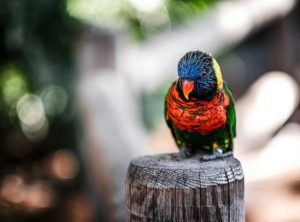 more than a few hours as it ferments quickly.
 -
Fresh Native Flowers: Plant or offer cut branches of bottlebrush (Callistemon), grevillea, or banksia. This encourages natural foraging behaviour.
-
Small Amounts of Fresh, Soft Fruit: Diced apple, pear, or grapes in tiny quantities as an occasional treat, not a staple.
-
Clean Water: Fresh water for drinking and bathing is always appreciated.
❌ DON’T – These Common Foods Are Dangerous:
-
Seed Mixes or Bread: They cannot digest seeds. Eating them can cause malnutrition and life-impacting digestive issues.
-
Artificial Nectar/Sugar Water: Plain sugar water lacks vital nutrients and promotes bacterial growth that leads to fatal sour crop (a fungal infection). Never feed them sugary water or honey.
-
Processed Human Foods: Chocolate, biscuits, or dairy products are toxic or unhealthy.
-
Food with Artificial Colouring: Unnecessary and potentially harmful.
Part 3: The Best Practice: Plant, Don’t Just Plate
The absolute best way to “feed” rainbow lorikeets is to create a bird-friendly garden. By planting native, nectar-rich shrubs and trees, you provide a sustainable, natural food source that supports them and other native wildlife without the risks of artificial feeding.
Top Native Plants for Lorikeets:
-
Bottlebrush (Callistemon spp.)
-
Grevillea (especially dwarf varieties like ‘Robyn Gordon’)
-
Banksia
-
Paperbark (Melaleuca spp.)
-
Lilly Pilly (Syzygium spp.) for fruit
Conclusion: Appreciate, Don’t Domesticate
Rainbow lorikeets are wild birds at heart. While the occasional safe treat can bring joy, our goal should be to support their natural behaviours. A garden buzzing with native blossoms is a far greater gift than a bowl of sugar water.
Want to learn more about these incredible birds? Want to make sugar water for Lorikeets the right way? Explore our complete guide to Australian Lorikeets: Species, Behaviour & Identification.
Have a lorikeet diet question or a story to share? Leave a comment below!