Wildlife-Friendly Ways to Deter Birds: Gentle Strategies for Harmony
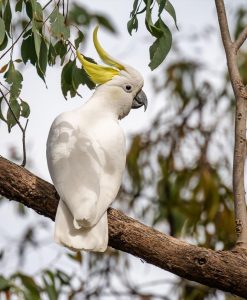 You love having birds in your garden, but sometimes they cause a specific problem—eating seedlings, making a mess on the patio, or becoming a little too boisterous. The idea of installing spikes, nets, or harsh deterrents feels at odds with your desire to welcome wildlife.
This guide is for the compassionate gardener. We focus on gentle, non-physical methods that work by persuading birds to change their behaviour, not by forcing them out. These strategies are about intelligent habitat design and understanding bird psychology, creating a garden that naturally guides birds away from trouble spots without a single hostile barrier.
Related Posts
-
Stop Aggressive Birds at Feeders: Lorikeets, Cockatoos & More Managing Aggressive Birds at Your Feeders: A Guide to Garden Peace You set up a bird feeder to…
-
Birds Attacking Windows? Why It Happens & How to Stop It Why Are Birds Attacking My Windows? (And How to Stop It For Good) The sudden "thud" of a bird hitting…
-
Birds in Swimming Pools: How to Deter & Rescue Safely Birds & Swimming Pools: A Guide to Deterrence, Safety & Rescue A backyard swimming pool is a source…
-
Stop Birds Destroying Your House: A Humane Australian Guide Solve Common Backyard Bird Problems: Humane, Effective Strategies Birds bring life and beauty to our gardens, but sometimes…
-
Swooping Birds: How to Stay Safe from Magpies & Plovers Dealing with Swooping Birds: A Safety Guide for Magpie & Plover Season The sudden "whoosh" of wings past your head,…
🌿 The Core Philosophy: Deterrence Through Design
The goal is not to make your garden unwelcoming, but to make the specific problem area less attractive while enhancing the overall habitat. Think of it as gentle redirection.
1. Habitat Manipulation: The Most Powerful Tool
Change the environment so the problem behaviour is less rewarding or more difficult.
-
For Birds Digging Lawns/Eating Seedlings:
You Might Also Like
-
Stop Bird Mess on Car, Deck & Patio: Effective Deterrents Stop Birds Making a Mess on Cars, Decks & Patios There’s nothing more frustrating than finding your freshly washed…
-
Noisy Birds in the Morning? How to Cope Peacefully Dawn Chorus Overload? A Practical Guide to Coping with Noisy Birds in the Morning The 5 AM Alarm…
-
Bird Mites & Health Risks: The Real Dangers Explained Bird Mites & Health Concerns: Separating Fact from Fear Discovering a bird's nest in your roof or a…
-
Birds Nesting in Roof Vents? How to Safely Remove Them Birds Nesting in Roof Vents & Soffits: Your Complete Removal Guide That faint scratching, rustling, or chirping coming from your…
-
Stop Birds Stealing Cat/Dog Food: 5 Humane Backyard Solutions How to Stop Birds Stealing Pet Food: Practical & Humane Solutions The Feathered Food Raiders You set down…
-
Apply a Light, Loose Mulch: A layer of straw, lucerne, or pea straw over soil makes it harder for birds to scratch down to seeds or grubs and disguises freshly turned earth.
-
Use Cloches or Row Covers: Protect vulnerable seedlings with lightweight garden fleece or mesh tunnels (which can be removed once plants are established). This is a temporary “soft” barrier.
-
-
For Birds Making a Mess on Patios/Cars:
-
Prune Overhanging Branches: Remove the convenient perch points that lead to the mess. Without a launchpad, the problem often disappears.
-
Relocate Attractions: Move bird baths and feeders to the far corner of your garden, well away from your
 house and parking area. You’re not removing the resource, just moving the activity zone.
-
2. Sensory & Psychological Deterrents (That Require Engagement)
These methods work by exploiting birds’ natural cautions. They are not “set and forget.”
-
Reflective Movement: Hang old CDs, reflective tape, or specialist bird-scare ribbon near problem areas. The unpredictable flashes of light and movement can deter landings. Key: Move them every few days to maintain the “unpredictability.”
-
Predator Silhouettes: Cut-out shapes of hawks can work, but only if moved daily and combined with other methods. A static silhouette becomes part of the furniture.
-
Scents & Taste (With Caution): A light sprinkle of chilli powder or cayenne pepper around seedlings can deter pecking (birds dislike capsaicin, but mammals do too). Reapply after rain. Always test on a small area first.
3. The “Sacrificial Offering” or “Alternative Site” Strategy
This is the most wildlife-positive approach: provide a better option.
-
 Sacrificial Planting: Plant an extra row of lettuce or a dedicated sunflowers at the edge of your garden. Let the birds have that one. They often will, leaving your main crop alone.
 -
Create a Designated “Bird Zone”: Install a bird bath and a feeder on a post in a part of the garden where mess and activity are acceptable. By concentrating the resources, you accept activity in one area and peace in another.
🧠 Understanding the “Why” to Apply the “How”
| Bird Behaviour | Wildlife-Friendly Deterrence Principle | Example Action |
|---|---|---|
| Scratching for Grubs | Make the foraging less efficient. | Apply loose mulch over lawn. |
| Eating Fruit/Berries | Make the fruit harder to see/access. | Use sheer organza bags to cover individual fruit clusters. |
| Perching & Messing | Remove the perch itself. | Prune the specific branch overhanging your car. |
| Nesting in Eaves | Block access before season starts with soft materials. | Stuff steel wool or bristle brush strips into gaps before spring (birds won’t nest in it). |
Gentle Reminder: If birds have already built a nest, you must wait until it’s abandoned before any modification. Read our guide on the legal and safe removal process.
🚫 What “Wildlife-Friendly” Does NOT Mean
-
It does not mean allowing destructive behaviour to continue unchecked.
-
It does not mean using methods that cause stress or harm (like constant loud noises, glues, or poisons).
-
It does not mean being 100% effective 100% of the time. It’s about managed co-existence, not total exclusion.
📋 Your Gentle Deterrence Action Plan
-
Observe: For a week, just watch. Where is the behaviour happening? What is the bird gaining from it?
-
Design: Choose a method that addresses the core motivation (e.g., remove the perch, hide the seed).
-
Implement Gently: Start with the least invasive method (e.g., moving a feeder before trying visual deterrents).
-
Rotate & Combine: Birds adapt. Use a combination of 2-3 gentle methods and change them up periodically.
-
Accept a Baseline: A wildlife-friendly garden will always have some level of bird activity. The goal is to reduce problematic activity to a tolerable level.
❓ Frequently Asked Questions
Q: Are these methods as effective as spikes or netting?
A: For severe, determined problems (like cockatoos destroying decking), no. Physical exclusion is the only 100% solution. For most common garden nuisances (foraging, light mess), gentle methods are very effective when applied consistently and intelligently.
Q: Won’t birds just get used to reflective tape?
A: Yes, if left static. That’s why rotation is key. Move it, change its pattern, combine it with a scent for a week. The goal is to keep the environment slightly unpredictable.
Q: Is it ethical to use decoy predators?
A: If used correctly—moved daily and as part of a broader strategy—it’s a harmless visual trick. If left to gather dust, it’s pointless and not engaging with the real solution.
Q: What’s the most important thing to remember?
A: You are part of their habitat. Your actions are an environmental variable. By thoughtfully changing that variable, you guide their behaviour naturally. Patience and observation are your greatest tools.
Creating harmony is a creative project. For more solutions that balance human needs with wildlife respect, explore our full Problems Hub—where you’ll find both gentle and more direct solutions, like How to clean up bird mess, for every scenario.