Can Lorikeets Eat Fruit? A Guide to Safe & Unsafe Fruits
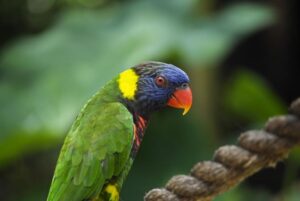 Yes, Rainbow Lorikeets can and do eat fruit, but with crucial caveats. In the wild, fruit is a seasonal supplement to their primary diet of nectar and pollen. In your backyard, offering the right fruits can be a healthy treat; offering the wrong ones can make them seriously ill.
This guide cuts through the confusion. You’ll get a clear “safe list” and “danger list,” learn how much and how often to feed fruit, and understand why their main diet should always be nectar. I used to give bread to birds but bread is harmful empty calories.
Related Posts
-
Rainbow Lorikeet Diet: Natural Food & Safe Backyard Feeding The Rainbow Lorikeet Diet: What They Eat in the Wild vs. Your Backyard More Than Just Pretty Feathers…
-
Australian Lorikeet Identification Guide: Rainbow Or What? How to Identify Australian Lorikeets: A Guide to Rainbow, Scaly-breasted & More Introduction: A Flash of Confusing Colour…
-
Attract Rainbow Lorikeets: Ethical Guide with Plants & Safe Food How to Attract Rainbow Lorikeets to Your Garden (The Right Way) A Living Rainbow in Your Garden The…
-
Are Lorikeets Aggressive? The Truth About Their Territorial Nature Are Lorikeets Aggressive? Understanding Their Feisty Social World Chaos at the Feeder A rainbow lorikeet feeding station often…
-
How Intelligent Are Lorikeets? Quite Amazing. Lorikeet Intelligence: Clever Tricks, Problem-Solving & Memory Tests 🧠 THE LORIKEET INTELLIGENCE REPORT CARD Intelligence Type Rating (1-10) Comparison…
🍎 The Safe Fruit List for Lorikeets (Offer in Moderation)
These fruits are non-toxic and can be offered as occasional treats. Always wash thoroughly and remove seeds/pits.
-
Apples & Pears: Excellent choices. Core them first to remove seeds, which contain trace amounts of cyanide. Slice into thin wedges.
-
Berries: Blueberries, raspberries, strawberries, and mulberries are loved and packed with antioxidants. They can be offered whole or halved.
You Might Also Like
-
Hand-Feeding Lorikeets: Weighing the Pros & Cons Hand-Feeding Lorikeets: Weighing the Pros, Cons & Crucial Ethics The image of a Rainbow Lorikeet perched confidently on…
-
Safe Sugar Water for Lorikeets: The Right Recipe How to Make Safe Sugar Water for Lorikeets: The Correct Recipe Rainbow lorikeets are spectacular visitors that bring…
-
Do Lorikeets Remember Humans? The Science of Recognition Do Lorikeets Remember Humans? The Science of Avian Recognition After a few visits, the bold rainbow lorikeet at your feeder…
-
-
Melons: Watermelon, rockmelon (cantaloupe), and honeydew are fantastic for hydration, especially in summer. Offer small cubes with the rind removed.
-
Grapes: A favourite. Always cut grapes in half or quarters to prevent choking. Choose seedless varieties where possible.
-
Stone Fruits (Pitted): Peaches, nectarines, plums, and cherries are safe only if the pit is completely removed, as pits can be a choking hazard and contain harmful compounds. The flesh is fine.
-
Bananas: A soft, easy treat. Offer a small slice of ripe banana.
How to Serve: Place fruit in a separate, clean dish from their nectar. Never mix fruit directly into liquid nectar, as it will ferment rapidly. Remove uneaten fruit within a few hours, especially on hot days.
🚫 The Dangerous Fruit List (Never Feed These)
Some common fruits are toxic to lorikeets and must be avoided completely.
-
Avocado: HIGHLY TOXIC. Contains persin, a fungicidal toxin that causes heart damage, respiratory distress, and sudden death in birds. Never feed any part of an avocado.
-
Citrus Fruits (in large amounts): Oranges, lemons, limes, and grapefruit are too acidic for their delicate digestive systems. A tiny, rare taste is unlikely to harm, but regular feeding can cause crop ulcers and digestive upset. It’s best avoided.
-
Rhubarb: The leaves are highly toxic, and the stalks contain oxalic acid, which is harmful to birds.
-
Any Fruit Seeds or Pits: As mentioned, apple seeds, cherry pits, peach pits, etc., contain cyanogenic glycosides (which can release cyanide) and are a choking hazard.
-
Canned or Processed Fruit: These are packed in sugary syrups and contain preservatives unhealthy for birds. Only offer fresh, raw fruit.
[Menu:lorikeet]
⚖️ The Golden Rule: Fruit is a Treat, Not a Staple
 This is the most important concept for lorikeet health.
-
Wild Diet: 70-80% nectar/pollen, 15-20% insects/lerps for protein, 5% soft fruits and flowers.
-
Your Backyard Diet: Should mimic this balance.
Fruit is high in sugar (fructose) but lacks the complete nutrition of nectar. Feeding too much fruit leads to:
-
Nutritional Deficiencies: They’ll fill up on fruit and not drink enough properly formulated nectar.
-
Digestive Issues: The high sugar and fiber can cause diarrhea or yeast overgrowth.
-
Obesity & Health Problems: Just like in humans, excess sugar is unhealthy.
Recommendation: Fruit should constitute no more than 5-10% of their total dietary intake. A few small pieces, 2-3 times a week, is plenty.
🧼 Critical Hygiene: Preventing Deadly Fermentation
Lorikeet feeders must be clean, and fruit is no different. Sour, fermented fruit breeds lethal bacteria like E. coli and Salmonella.
-
Use a Separate Dish: Never add fruit to nectar. Use a small, clean ceramic or plastic bowl.
-
Offer Small Amounts: Only put out what they’ll eat in 1-2 hours.
-
Remove Promptly: Discard uneaten fruit before it spoils (within 2-3 hours, or sooner on hot days).
-
Clean Daily: Wash the fruit bowl with hot, soapy water daily.
For the cornerstone of their diet, follow our essential guide: How to Make Safe Sugar Water for Lorikeets.
❓ Frequently Asked Questions
Q: My lorikeet loves apple. Can I give it every day?
A: It’s better to rotate treats. Offer apple one day, a berry the next, then maybe skip a day. This ensures they return to their primary nectar diet and get variety.
Q: Can I feed dried fruit?
A: No. Dried fruit is concentrated in sugar, often contains preservatives (like sulphur dioxide), and is a choking hazard as it’s sticky and tough.
Q: What about fruit juice?
A: No. Fruit juice is pure sugar without fiber, can disrupt their digestion, and should not be added to their water or nectar.
Q: Why do lorikeets eat fruit if nectar is their main food?
A: In nature, fruit provides essential vitamins, minerals, and hydration when certain flowers are not in bloom. It’s a valuable, natural part of a varied diet—just not the main part.
Q: What are the signs my lorikeet has eaten something bad?
A: Lethargy, fluffed-up feathers, loss of appetite, vomiting, or watery droppings. If you suspect toxicity (e.g., from avocado), contact a wildlife rescuer immediately.
Offering fruit can be a wonderful way to enrich your lorikeets’ lives and observe their natural foraging behaviours. By sticking to the safe list, serving it sparingly, and maintaining strict hygiene, you turn a simple treat into a responsible act of care.
For a complete understanding of their needs, explore Handfeeding Lorikeets:Pros and Cons ,our full Rainbow Lorikeet Diet Guide.