How to Attract Rainbow Lorikeets to Your Garden (The Right Way)
A Living Rainbow in Your Garden
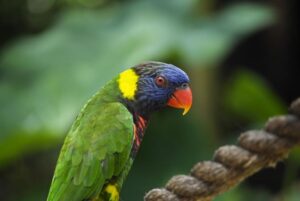 The sight of a flock of rainbow lorikeets splashing in a bird bath or chattering in a flowering tree is pure Australian magic. Attracting these vibrant parrots is a dream for many, but doing it ethically and safely is crucial for their wellbeing. This guide focuses on creating a sustainable habitat that supports them without causing harm, moving beyond quick fixes to long-term success.
Part 1: The Golden Rule – Plant, Don’t Just Plate
The single best and healthiest way to attract lorikeets is to plant the native trees and shrubs they have co-evolved with. This provides natural, balanced nutrition and supports the entire ecosystem.
Related Posts
-
Australian Lorikeet Identification Guide: Rainbow Or What? How to Identify Australian Lorikeets: A Guide to Rainbow, Scaly-breasted & More Introduction: A Flash of Confusing Colour…
-
Rainbow Lorikeet Diet: Natural Food & Safe Backyard Feeding The Rainbow Lorikeet Diet: What They Eat in the Wild vs. Your Backyard More Than Just Pretty Feathers…
-
Can Lorikeets Eat Fruit? The Safe List (Yes & No) Can Lorikeets Eat Fruit? A Guide to Safe & Unsafe Fruits Yes, Rainbow Lorikeets can and do eat fruit,…
-
Safe Sugar Water for Lorikeets: The Right Recipe How to Make Safe Sugar Water for Lorikeets: The Correct Recipe Rainbow lorikeets are spectacular visitors that bring…
-
Hand-Feeding Lorikeets: Weighing the Pros & Cons Hand-Feeding Lorikeets: Weighing the Pros, Cons & Crucial Ethics The image of a Rainbow Lorikeet perched confidently on…
Top Native Plants for Lorikeets:
-
Bottlebrush (Callistemon spp.): An absolute favourite. Their brush-like flowers are perfect lorikeet feeding stations.
-
Grevilleas: Choose larger, bird-attracting varieties like Grevillea robusta (Silky Oak) or Grevillea banksii. Their abundant nectar is lorikeet fuel.
You Might Also Like
-
Do Lorikeets Remember Humans? The Science of Recognition Do Lorikeets Remember Humans? The Science of Avian Recognition After a few visits, the bold rainbow lorikeet at your feeder…
-
How Intelligent Are Lorikeets? Quite Amazing. Lorikeet Intelligence: Clever Tricks, Problem-Solving & Memory Tests 🧠 THE LORIKEET INTELLIGENCE REPORT CARD Intelligence Type Rating (1-10) Comparison…
-
Are Lorikeets Aggressive? The Truth About Their Territorial Nature Are Lorikeets Aggressive? Understanding Their Feisty Social World Chaos at the Feeder A rainbow lorikeet feeding station often…
-
-
Paperbarks (Melaleuca spp.): A fantastic source of both nectar and nesting sites in their fibrous bark.
-
Banksias: Their large, sturdy flower spikes are ideal for lorikeets to cling to.
-
Eucalypts (Gums): A primary source of nectar, especially when in flower. They also provide nesting hollows.
Pro Tip: Plant a variety of species that flower at different times to provide a year-round nectar buffet.
Part 2: The Ethical Feeding Guide (If You Supplement)
If you choose to offer supplementary food, it must be done correctly. Getting it wrong can make lorikeets very sick.
[Menu:lorikeet]
| ✅ SAFE TO OFFER | ❌ NEVER OFFER (DANGEROUS) | Why It Matters |
|---|---|---|
| Commercial Lorikeet Wet Mix: A reputable brand from a vet or pet store, mixed fresh. | Sugar Water or Honey Water: Lacks nutrients, ferments quickly, and causes fatal sour crop (a fungal infection). | Lorikeets need specific nutrients (e.g., amino acids) not found in plain sugar. |
| Small amounts of fresh, soft fruit: Diced apple, pear, grapes, or berries. | Bread, Biscuits, or Processed Foods: Nutritional junk food that causes malnutrition. | Their digestive system is for liquids and soft pulp, not grains and complex carbs. |
| Clean, fresh water for drinking & bathing. | Artificial Nectars with Red Dye: Completely unnecessary and potentially harmful. | The dye is a chemical additive they should not ingest. |
| Native flowers & foliage from the plants listed above. | Seed Mixes or Dairy Products: Lorikeets cannot digest seeds or lactose. | Causes severe digestive blockages and illness. |
Critical Rule: If you put out wet mix, remove it after 2-3 hours, especially in warm weather, to prevent deadly bacterial fermentation. Never leave it to spoil.
Part 3: Creating the Perfect Lorikeet Habitat
Lorikeets need more than just food. Think about their entire lifestyle.
-
Water Source: A shallow, sturdy bird bath is irresistible. They love to bath communally, so expect a party.
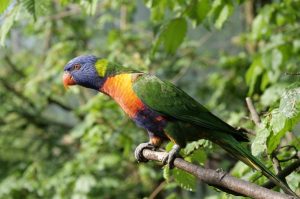 Keep the water clean.
 -
Shelter & Safety: Dense, native shrubs provide protection from predators like hawks and cats, and from harsh weather.
-
Nesting Sites: Protect large, old trees with hollows. If you don’t have them, you can install a specifically designed lorikeet nesting box high up on a tree trunk. Ensure the entry hole is the correct size (~70mm).
-
Go Chemical-Free: Avoid pesticides and insecticides. Lorikeets also eat insects and lerps for protein, and chemicals can poison them directly.
Part 4: What to Expect (The Loud, Messy, Wonderful Reality)
Attracting lorikeets is not for the faint-hearted.
-
The Noise: They are extremely social and very loud. The dawn and dusk chorus will be intense.
-
The Mess: Their liquid droppings can stain cars and outdoor furniture. Position feeders and baths thoughtfully.
-
The Drama: They are territorial and will squabble with each other and other bird species.
If you can embrace the chaos, you’ll be rewarded with some of the most lively and entertaining wildlife interactions possible in an Australian garden.
Conclusion: A Commitment to Their Wildness
Attracting lorikeets is about inviting wildness into your space, not taming it. By focusing on native plants and safe practices, you support their health and natural behaviours. The reward is not a pet, but the profound privilege of hosting a spectacular piece of Australia’s natural heritage right outside your window.
Ready to start? Identify what’s already visiting with our guide: How to Identify Australian Lorikeets.
Have you successfully attracted a lorikeet flock? Share your story and tips in the comments!
Back to the Lorikeet main page.